Six O'Clock Sharp: The Nightly Gathering America Quietly Let Go
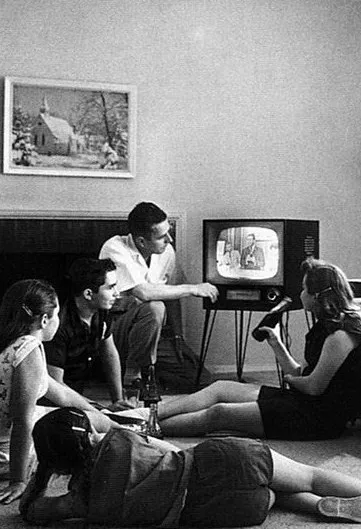
Photo: Evert F. Baumgardner, Public domain, via Wikimedia Commons
At 6 p.m. in Levittown, in Detroit, in a tract house outside Phoenix, the same thing was happening at the same time: chairs scraping, a casserole landing on the table, a father turning off the television set. Dinner wasn't scheduled around anyone's calendar. The calendar was scheduled around dinner.
When the Table Ran the Schedule
Mid-century surveys painted a remarkably uniform picture. Well into the 1960s, the overwhelming majority of American families reported eating dinner together every night, most at a fixed hour. Mothers spent hours a day on food preparation — the USDA tracked it, and it was genuinely hours, not the forty minutes we imagine. Frozen TV dinners existed, but they were novelties, sold as conveniences for the occasional night, not the default.
The meal itself was a production: a meat, a starch, a vegetable, often something baked. Leftovers got reinvented, not reheated. Nobody photographed any of it.
The Slow Unraveling
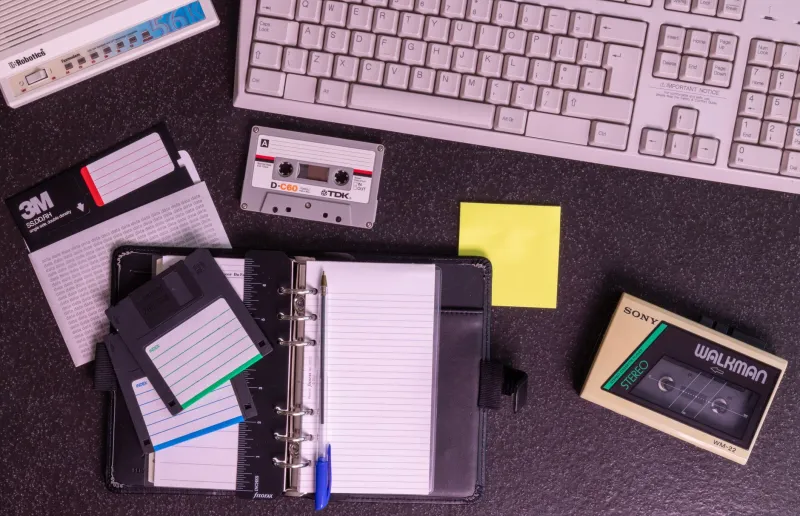
The change didn't arrive all at once. It came in layers — the microwave in the 1980s, the two-income household becoming the norm, youth sports schedules swallowing weeknights, and finally the smartphone, which let every family member eat in a different room without technically leaving the table.
By the 2010s, researchers were documenting something earlier generations would have found incomprehensible: a large share of shared meals happening with screens on, family members eating at different times, and dinner itself increasingly optional. The phrase "family dinner" now reads less like a description and more like a New Year's resolution.
What We Gained Along the Way
Honesty requires admitting the trade wasn't all loss. The mid-century table had a dark side too — rigid gender roles, hours of unpaid labor assigned to one person, meals eaten in silence or tension because leaving wasn't an option.
Today's eaters have access to cuisines a 1955 housewife couldn't have imagined, dietary accommodations that would have seemed like science fiction, and flexibility that lets a night-shift nurse or a single parent feed their family at all. The grab-and-go burrito is, in its way, a small miracle of abundance.
What Vanished Without a Trace
But something structural disappeared with the ritual. The family dinner was a daily forcing function — twenty minutes where everyone in the house had to be in the same room, facing each other, with nothing else to do. Sociologists who study it argue those twenty minutes did quiet work: they were where kids learned to talk to adults, where parents caught the small problems before they grew, where a household found out what kind of day it had actually had.
Nobody scheduled that connection. It was a byproduct of the format. And when the format went, the connection didn't relocate — it just stopped happening by default.
The Clock We Can't Unwind
Here's the thing about The Clock Delta: we usually find that progress gives back most of what it takes, in a different form. But the family dinner may be the rare exception — an institution that was cheap, effective, and irreplaceable, dismantled mostly by accident. Some families are rebuilding it, phone-free and imperfect, less out of nostalgia than out of a hunch that the old clock was keeping better time than we thought.