The Last Shared Silence: When Americans Waited Together Instead of Scrolling Alone
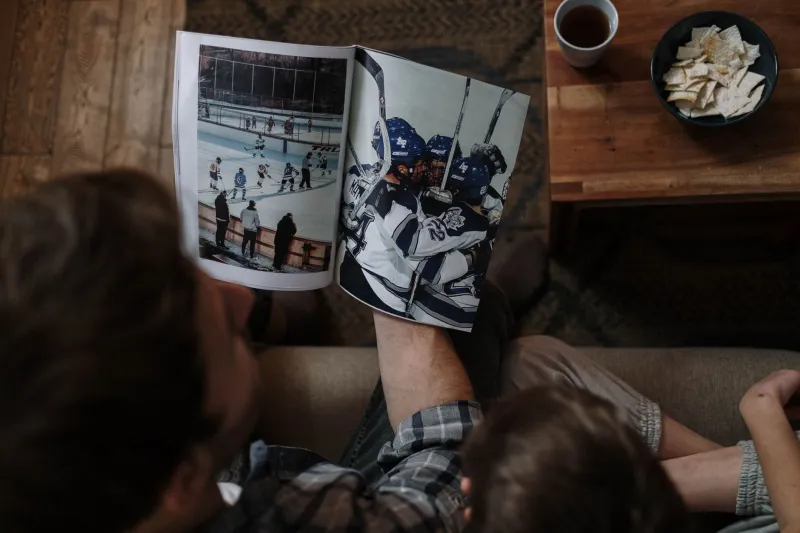
Picture this: thirty strangers sitting in a room, all staring at the same outdated magazine rack, occasionally glancing at each other, maybe striking up a conversation about the weather or the ridiculous wait time. No one's head is buried in a glowing rectangle. No one's wearing earbuds. The only sounds are the receptionist's keyboard clicks, someone coughing, and the gentle rustle of turning pages.
This wasn't a meditation retreat or some nostalgic Norman Rockwell fantasy. This was just Tuesday at the DMV in 1995.
The Involuntary Community of Waiting
Before the iPhone arrived in 2007, waiting was America's most democratic experience. Rich or poor, young or old, everyone served their time in the same fluorescent-lit purgatory. The DMV didn't care about your net worth. The doctor's office treated all patients to the same three-year-old copies of People magazine. Airport delays grounded CEOs and college students alike in uncomfortable plastic chairs.
These weren't pleasant experiences, exactly, but they were profoundly human ones. Strangers became temporary allies, united in their shared frustration or boredom. A pregnant woman might get offered a seat. An elderly man might share stories about "how things used to be done." Kids would get restless, and other passengers would smile knowingly at frazzled parents.
"You learn a lot about people when they can't escape into their phones," recalls Janet Morrison, who worked as a bank teller in Cleveland for thirty years before retiring in 2010. "People would actually talk to each other while waiting in line. They'd complain about the wait, sure, but they'd also talk about their kids, their jobs, the Browns game. It was like a little community that formed and dissolved every few minutes."
The Great Efficiency Revolution
Then everything changed, and it happened faster than anyone expected. First came the efficiency improvements: online appointment scheduling, text notifications when your table was ready, mobile check-ins that let you wait in your car instead of the lobby. These weren't bad changes—who wants to waste time in a stuffy waiting room?
But the real transformation came from our pockets. Smartphones didn't just give us something to do while waiting; they gave us an escape hatch from the entire social contract of shared patience. Suddenly, you could be physically present but mentally elsewhere, scrolling through social media, watching videos, texting friends, or playing games.
The waiting room became a collection of individual bubbles instead of a temporary community.
What We Optimized Away
Today's version of waiting is undeniably more convenient. You can join a virtual queue at the Apple Store while getting coffee across the street. Your doctor's office texts you when they're running behind. Restaurant apps let you see real-time wait times and put your name on the list before you even leave home.
But something subtle was lost in all that optimization. Those forced moments of stillness—when you had nothing to do but observe your surroundings and maybe interact with strangers—created tiny opportunities for serendipity. Business partnerships started in airport delays. Friendships sparked in pediatrician waiting rooms. Romance occasionally bloomed in courthouse lines.
"I met my wife in the waiting room of a Jiffy Lube in 1987," says Tom Chen, a retired accountant from Phoenix. "We were both there for oil changes, both bored out of our minds, and we just started talking. Thirty-five years later, we're still married. I wonder if that would have happened today, with everyone on their phones."
The Psychology of Shared Suffering
Psychologists have long understood that shared experiences—even unpleasant ones—create bonds between people. The phenomenon, sometimes called "trauma bonding" in extreme cases, applies to milder situations too. When a flight gets delayed and passengers start commiserating, they're participating in an ancient human ritual of finding connection through common struggle.
Dr. Sarah Williams, a social psychologist at Northwestern University, has studied how digital devices affect public spaces. "What we've lost isn't just small talk," she explains. "It's the ability to read social cues, to practice patience, to find commonality with people who are different from us. Waiting rooms were like accidental civics lessons in democracy and tolerance."
The New Waiting Game
Walk into any waiting room today and you'll see the transformation. Heads down, fingers swiping, earbuds in. The magazines sit untouched—if they exist at all. Many businesses have eliminated them entirely, assuming everyone has their own entertainment.
Even when people do interact, it's often mediated by technology. Parents hand tablets to restless children instead of encouraging them to observe their environment or talk to other kids. Adults check work emails instead of letting their minds wander or starting conversations with fellow waiters.
The efficiency is remarkable. We can accomplish more while waiting than ever before. But we've also lost something harder to quantify: the ability to be present in shared spaces, to practice the small social skills that democracy requires, to find unexpected connections with our fellow citizens.
What Remains
Not everything has changed. Emergency rooms still force people into shared waiting experiences—though even there, screens provide escape routes. Some barbershops and small-town establishments maintain the old rhythms of communal patience. And occasionally, when technology fails—when the WiFi goes down or the power goes out—we get glimpses of the old social contract.
But mostly, we wait alone now, even when we're surrounded by others. We've optimized away the inefficiency of shared time, and with it, some of the ineffable moments that made us a society rather than just a collection of individuals.
The question isn't whether this change was inevitable—it probably was. The question is whether we can find new ways to create the serendipitous connections that waiting rooms once provided, or if we've permanently traded community for convenience.
Next time you find yourself in a waiting room, try an experiment: put your phone away for just five minutes. Look around. Make eye contact. See what happens when you rejoin, however briefly, the last shared silence.