Your Signature Here: When Americans Practiced Their Identity in Ink
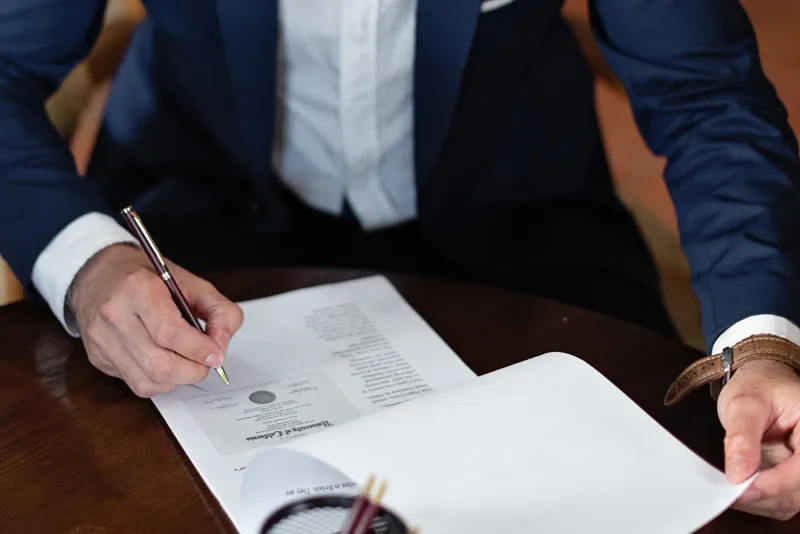
The Art of the Perfect Loop
In 1975, Susan Martinez spent her summer evenings practicing her signature at the kitchen table. Over and over, she'd write her name in careful cursive, adjusting the angle of her 'S' and perfecting the flourish on her 'z.' This wasn't vanity—it was preparation for adulthood. By the time she opened her first bank account at eighteen, her signature was as distinctive and consistent as a fingerprint.
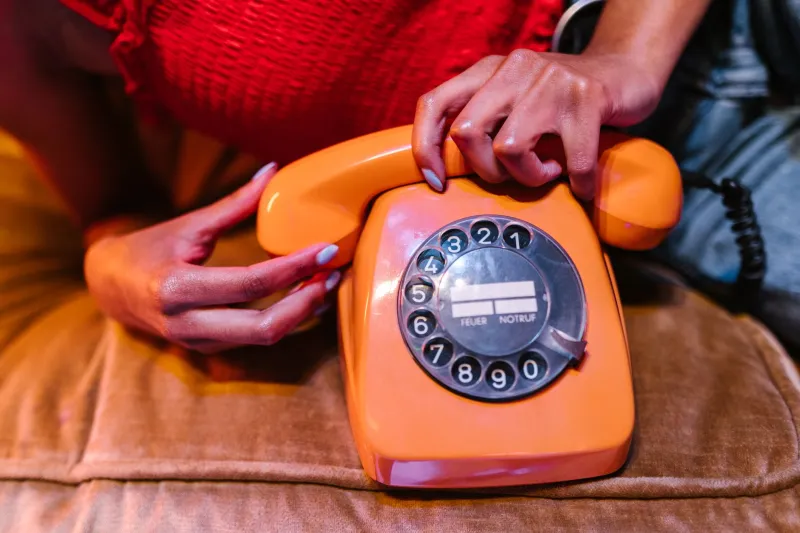
Today, Susan's granddaughter Emma signs her name maybe three times a year, and each attempt looks like it was written by a different person. Emma isn't lazy or careless—she's simply living in a world where signatures have become as obsolete as rotary phones.
When Banks Employed Human Lie Detectors
Walk into any American bank before 1990, and you'd find tellers who could spot a forged signature from across the lobby. These weren't trained forensic experts—they were ordinary bank employees who'd developed an almost supernatural ability to recognize authentic signatures. They'd compare your scrawl against the signature card in your file, looking for telltale signs of forgery: hesitation marks, unnatural pen pressure, or subtle deviations in letter formation.
Forgery was considered a serious crime precisely because signatures carried such weight. A forged signature could transfer property, access bank accounts, or authorize major purchases. The signature was your legal identity made visible, and protecting it was a matter of personal security.
Banks invested heavily in signature verification technology—special lighting systems, magnifying equipment, and detailed training programs for staff. Some banks even employed handwriting experts who could determine whether a signature was genuine based on microscopic details invisible to the untrained eye.
The Death by a Thousand PIN Numbers
The decline of the signature didn't happen overnight. It began with the introduction of ATM cards in the 1970s, which replaced signatures with PIN numbers for basic transactions. Then came credit cards with magnetic strips, followed by chip readers, and finally contactless payments that require nothing more than a wave of your phone.
Each innovation promised greater security and convenience, and delivered on both. But somewhere along the way, we stopped teaching children how to sign their names properly. Cursive writing disappeared from most school curricula by 2010, taking with it the foundation for developing a consistent signature.
The Signature as Performance Art
Older Americans remember when signing your name was a small performance. You'd pause, position the pen just so, and execute your signature with deliberate care. Important documents deserved your best signature—the one you'd practiced since childhood, with all the loops and flourishes that made it uniquely yours.
There was pride in a good signature. It reflected your education, your attention to detail, and your respect for the document you were signing. A sloppy signature was considered poor manners, like showing up to a wedding in shorts.
Celebrities and politicians understood this better than anyone. They developed signature styles that were both distinctive and reproducible, knowing they'd sign thousands of autographs and official documents throughout their careers. John Hancock's oversized signature on the Declaration of Independence wasn't just bravado—it was a master class in personal branding through penmanship.
 Photo: John Hancock, via spezcostum.ru
 Photo: Declaration of Independence, via img2.clipart-library.com
Digital Convenience, Personal Cost
Today's digital signatures offer undeniable advantages. They can't be physically forged, they create automatic audit trails, and they eliminate the need to print, sign, scan, and email documents. DocuSign and similar services have streamlined everything from mortgage applications to employment contracts.
But we've lost something intangible in the process. The physical act of signing your name was a moment of commitment, a pause that forced you to consider what you were agreeing to. Digital signatures, for all their security, feel weightless—a quick click that carries the same legal force as the most carefully crafted handwritten signature.
The Millennial Signature Crisis
Americans born after 1990 face a unique challenge: they're legally adults who never learned to sign their names consistently. Their signatures look like the scribbled attempts of elementary school children, varying wildly from one signing to the next.
This creates real problems. When these young adults need to sign important documents—mortgage papers, marriage certificates, or legal contracts—their inconsistent signatures can trigger delays and additional verification requirements. Some have been forced to practice their signatures as adults, learning what previous generations mastered in childhood.
What We Sign Now
The few occasions when Americans still sign their names reveal how much the landscape has changed. We sign for restaurant bills, though many establishments now accept digital signatures on tablet screens. We sign mortgage documents, though much of the process has moved online. We sign marriage certificates and birth certificates—some of the last documents that still require ink on paper.
Even these holdouts are disappearing. Several states now accept digital signatures for marriage licenses, and electronic birth certificates are becoming standard in many jurisdictions.
The Authentication Revolution
While signatures fade into history, new forms of authentication are emerging. Biometric scanners read fingerprints and facial features. Voice recognition software can identify you by how you speak. Some systems even analyze your typing patterns or the way you hold your phone.
These technologies offer security that no signature could match. A fingerprint can't be forged, and facial recognition works even if you're unconscious. But they also represent a fundamental shift from authentication based on something you know how to do (sign your name) to authentication based on who you are biologically.
The End of an Era
The signature's decline marks the end of one of humanity's oldest forms of personal identification. For centuries, your signature was your mark on the world—the way you claimed ownership, agreed to terms, and certified your presence. It was simultaneously intimate and public, personal and legal.
Today's teenagers will likely never develop a consistent signature, and they won't miss it. They'll authenticate themselves through methods that would seem like magic to previous generations. But for those who remember the weight of a fountain pen and the satisfaction of a perfectly executed signature, something irreplaceable has been lost—the simple act of making your mark on the world, one careful letter at a time.