The Endless Game: How America Lost Its Sporting Seasons and Found Perpetual Motion
When Winter Meant Waiting
Every February, something magical happened in American households: the sports stopped. Football had ended with the Super Bowl, baseball wouldn't start until April, and basketball was still a regional curiosity for most families. For two blessed months, fathers put away their transistor radios, sports sections grew thin, and Sunday afternoons belonged to something other than games.
 Photo: Super Bowl, via puns.co
This wasn't a bug in the system — it was a feature. The rhythm of American sports followed the agricultural calendar that had shaped the country's culture. Spring meant baseball's return, summer meant long games and longer road trips, fall meant football's intensity, and winter meant rest. The anticipation built naturally, and when Opening Day finally arrived, it felt like a genuine celebration of renewal.
Today, that rhythm is gone. As I write this in what should be the sporting dead zone of February, I can watch NBA games, check NFL draft projections, follow spring training updates, monitor college basketball rankings, and place bets on tomorrow's hockey games. The games never stop, the analysis never ends, and the anticipation that once made sports special has been replaced by something closer to addiction.
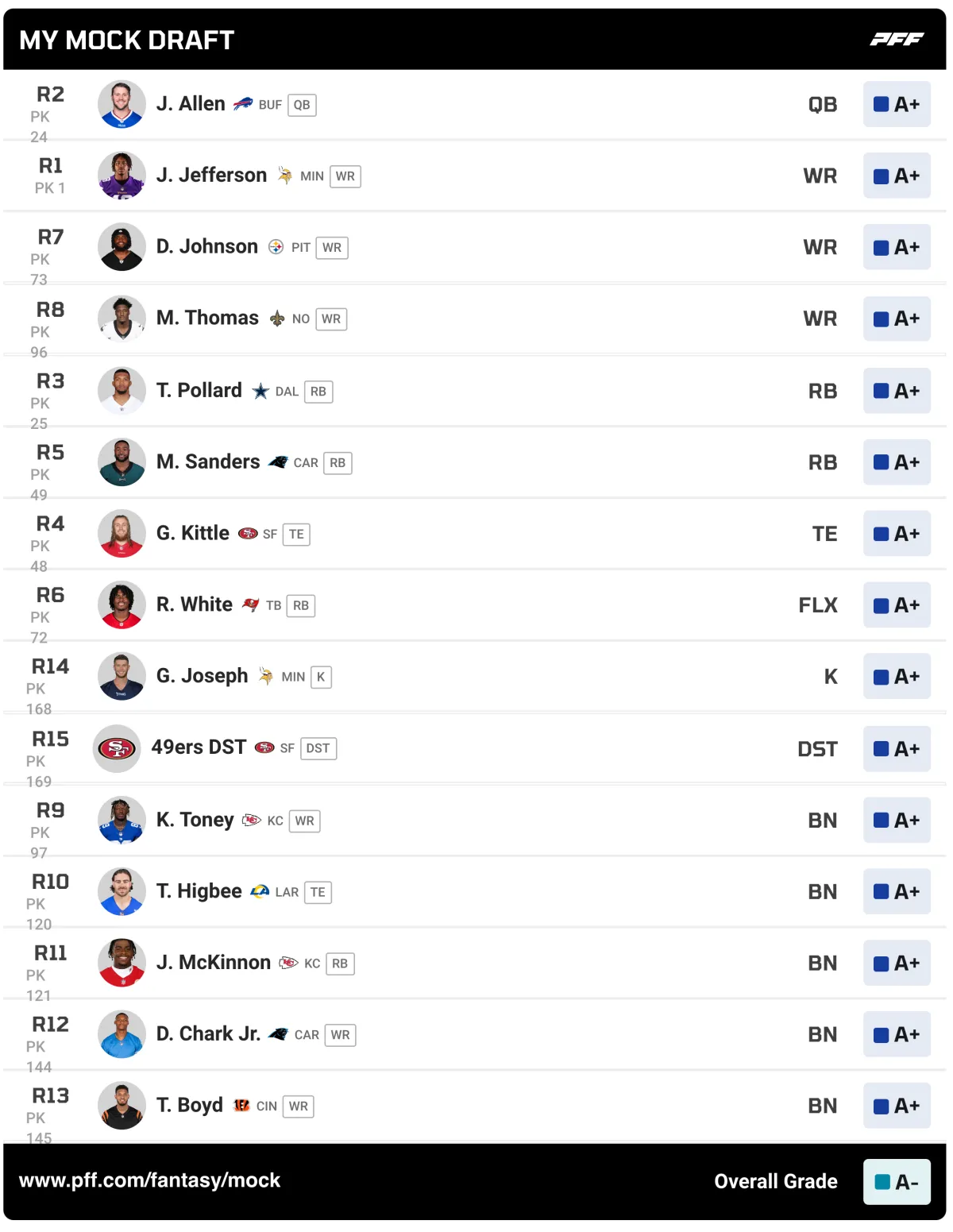 Photo: NFL Draft, via media.pff.com
The Beautiful Boredom of Offseasons
In 1975, when the World Series ended in October, baseball disappeared. No winter leagues on cable, no hot stove speculation websites, no constant trade rumors. Players went home, fans turned their attention to other things, and baseball became a memory to sustain until spring.
This forced hibernation served a purpose beyond just following tradition. It created genuine anticipation. When spring training photos finally appeared in newspapers, they carried the excitement of reunion. The first crack of the bat in March felt like the world waking up after a long sleep.
Football's offseason was even more dramatic. When the Super Bowl ended, football vanished completely until August. No combine coverage, no draft analysis, no OTA reports. Players became regular people for six months, and fans had to find other ways to spend their Sundays.
The waiting was part of the pleasure. Sports calendars had white space, and that white space made the filled spaces more meaningful.
The Birth of the Perpetual Season
The transformation began innocently enough with ESPN's launch in 1979. Suddenly there was a television network that needed sports content 24 hours a day, 365 days a year. When live games weren't available, they filled time with highlights, analysis, and speculation. The offseason became content to be consumed rather than time to be endured.
The NFL Draft, once a quiet administrative process conducted in hotel conference rooms, became appointment television. The NBA developed summer leagues and international games. Baseball added winter meetings coverage and spring training broadcasts. Every sport expanded its footprint, claiming more months and demanding more attention.
Cable television's expansion accelerated the trend. Regional sports networks needed content to justify their existence, so they created it. High school recruiting became national news. College sports expanded into every available time slot. Professional leagues stretched their seasons, added playoff rounds, and invented new tournaments.
Fantasy Football Changes Everything
But the real revolution came with fantasy sports. Suddenly, fans weren't just following their favorite teams — they were managing virtual rosters that required constant attention. A random Thursday night game between teams you'd never cared about became crucial because your fantasy quarterback was playing.
Fantasy sports destroyed the natural boundaries between seasons and allegiances. You couldn't just be a Packers fan anymore — you needed to care about every player in every game because your fantasy success depended on it. The offseason became draft preparation time, requiring year-round attention to player values, injury reports, and depth charts.
The fantasy industry spawned an entire ecosystem of analysis, advice, and speculation. Websites, podcasts, and apps emerged to feed the constant hunger for player information. What had once been a casual hobby among friends became a multi-billion dollar industry that demanded professional-level commitment from amateur participants.
The Betting Revolution
If fantasy sports made every game matter personally, legal sports betting made every play matter financially. The Supreme Court's 2018 decision to allow state-by-state sports betting legalization created an entirely new relationship between fans and games.
Suddenly, a meaningless Tuesday night basketball game between lottery-bound teams carried real financial stakes. Prop bets turned individual player performances into investment opportunities. In-game betting meant that every possession could change your financial situation.
Sports betting apps began sending push notifications about games you'd never considered watching, offering odds on events you'd never thought to predict. The quiet periods that once existed between meaningful games disappeared as betting markets created artificial importance for every athletic event.
When Everything Became Content
Social media completed the transformation. Athletes became brands requiring constant content creation. Retired players became analysts requiring constant opinion generation. Fans became content creators requiring constant material to discuss.
Twitter made every practice report into breaking news. Instagram turned offseason workouts into entertainment. TikTok transformed highlight clips into viral content. The space between games filled with speculation, analysis, and manufactured drama designed to maintain engagement during what should have been quiet periods.
Podcasts multiplied the available content exponentially. Where once you might read one sports section per day, you could now consume hours of sports discussion daily. The offseason became as content-rich as the regular season, just focused on different types of speculation.
The Lost Art of Anticipation
What we've gained in access and information, we've lost in anticipation and appreciation. When games are always available, no single game feels special. When analysis is constant, the actual playing of games becomes just another piece of content competing for attention.
The seasonal rhythms that once created natural excitement have been replaced by artificial urgency. Draft day has become a year-round process. Free agency never really ends. Trade deadlines create temporary intensity, but they're followed immediately by speculation about the next trade deadline.
Children growing up in this environment don't understand the concept of waiting for sports. They don't know the particular excitement of football's return in September or the way baseball's arrival once signaled spring's victory over winter. For them, sports are a constant background hum rather than a seasonal celebration.
The Paradox of Choice
Ironically, having access to every game has made many fans less satisfied, not more. When you could only watch your local team's games, those games carried enormous importance. When every game is available, the pressure to choose the "right" game creates anxiety rather than enjoyment.
The fear of missing out has replaced the joy of focused attention. Fans check scores on other games during the game they're supposedly watching. Red Zone channels promise to show every touchdown, but they deliver a fragmented experience that never allows deep investment in any single narrative.
What the Silence Used to Provide
The offseasons of the past weren't empty — they were full of different things. Fathers played catch with their children instead of watching draft coverage. Families took vacations without checking fantasy scores. Sunday afternoons allowed for activities that didn't involve television schedules.
The silence between seasons created space for reflection and renewal. Fans could process what had happened in the completed season without immediately pivoting to speculation about the next one. Athletes could be people rather than content generators. Sports could be part of life rather than the organizing principle of life.
The New Religion of Constant Engagement
Modern sports fandom has become something closer to religious practice than entertainment. The constant availability of content creates an expectation of constant consumption. Missing a day of sports news feels like falling behind. Taking a vacation requires elaborate arrangements to stay connected to fantasy leagues and betting lines.
The apps on our phones send notifications about games we didn't know we cared about. The algorithms learn our preferences and feed us increasingly specialized content. We know more about backup quarterbacks' contract situations than our neighbors' names.
Finding Rhythm in the Endless Season
The transformation is complete and irreversible. The toothpaste won't go back in the tube, and the seasonal rhythms that once governed American sports aren't coming back. But understanding what we've traded away might help us make more intentional choices about how we engage with the endless season we've created.
The games will always be there now, which means we have to decide for ourselves when to pay attention and when to look away. The anticipation that once came naturally now requires deliberate cultivation. The appreciation that scarcity once provided must be consciously chosen in an age of abundance.
Maybe the real question isn't whether we can return to seasonal sports, but whether we can learn to create our own seasons — periods of intense engagement followed by deliberate rest, times of deep attention balanced by intentional absence. The rhythm that nature once provided, we might need to impose ourselves.
The clock delta reveals not just how far we've come, but how much we've accelerated. In sports, as in so much else, we've traded the patience of seasons for the anxiety of perpetual motion. Whether that trade was worth it depends on what we choose to do with all the time we've filled.