Carbon Copy Confidential: When the Office Ran on Whispers and Memos
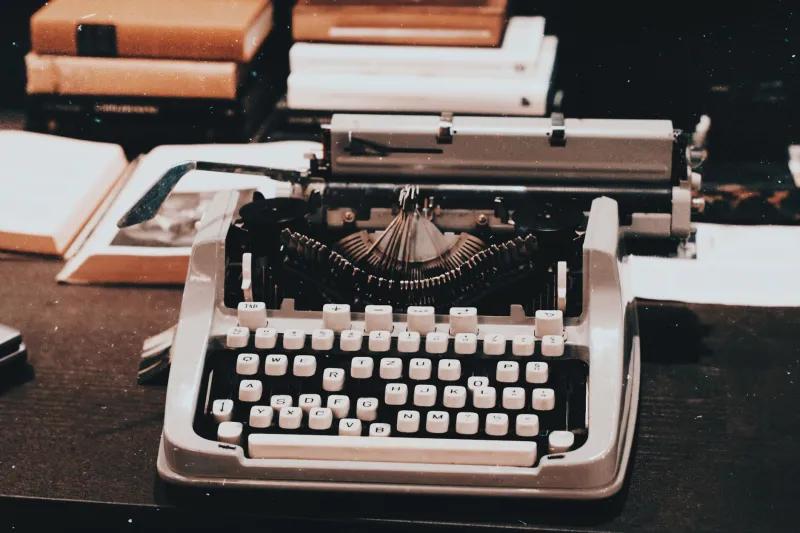
Somewhere in a storage unit in New Jersey, there are probably boxes of old office memos that nobody has read in forty years. Typed on actual typewriters, filed in actual folders, carbon-copied to people who are now retired or gone. They documented decisions, relayed instructions, confirmed meeting times. And then they sat in filing cabinets until someone threw them away.
That was the lifecycle of internal office communication for most of the twentieth century: it existed, it served its purpose, and then it quietly ceased to matter. Nobody was searching it. Nobody was going to screenshot it. It was, in the most literal sense, ephemeral — even when it was written down.
Today, every Slack message you send at 2 p.m. on a Wednesday is potentially retrievable by your company's IT department for years. That's a different world.
The Memo Era: Slow, Deliberate, Forgettable
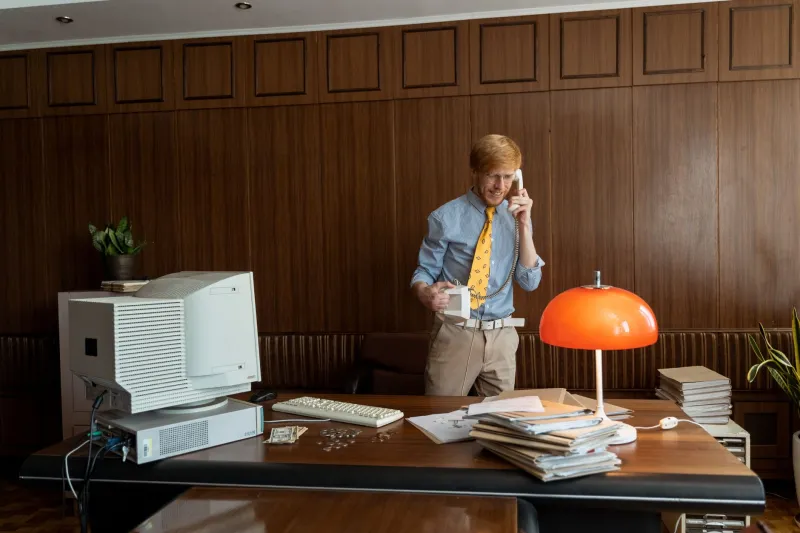
The internal memo was the primary technology of mid-century American office communication. Typed up, distributed in paper form, occasionally hand-delivered by someone in the mailroom. Writing a memo required thought — not because office workers were more intellectual than today's, but because the act of typing something out, making copies, and physically routing it to people introduced enough friction that you didn't do it casually.
Phone calls filled the gaps. You rang someone's extension, had a conversation, hung up. No record. No transcript. No notification that the call had been "missed" and was now sitting in a queue. If the person wasn't at their desk, you tried again later or left a message with their secretary, who wrote it on a pink While You Were Out slip.
Face-to-face conversation handled the rest. You walked down the hall. You said the thing. The thing was heard, responded to, and dissolved into the air. The only record was whatever each person chose to carry in their memory.
This wasn't a flaw in the system. It was the system.
The Digital Turn: When Nothing Disappeared
Email changed the equation in the 1990s, and not everyone noticed how fundamentally it was doing so. Suddenly, written communication — once the province of formal memos — became the medium for everything: quick questions, casual updates, sensitive discussions, venting, gossip, strategy. And all of it was logged.
The legal implications became clear fast. The Enron scandal in 2001 turned corporate email archives into a household concept. Suddenly everyone understood that the chatty message you sent to a colleague about a questionable accounting decision could, under the right circumstances, end up projected on a screen in a Senate hearing room.
But the cultural implications ran deeper than the legal ones.
When the Record Became the Reality
In the old office, there was a gap between what happened and what was documented. Conversations, hallway debates, the frank exchange of views between two people who trusted each other — these lived in the space between the memos. They were the actual texture of working life, and they left no trail.
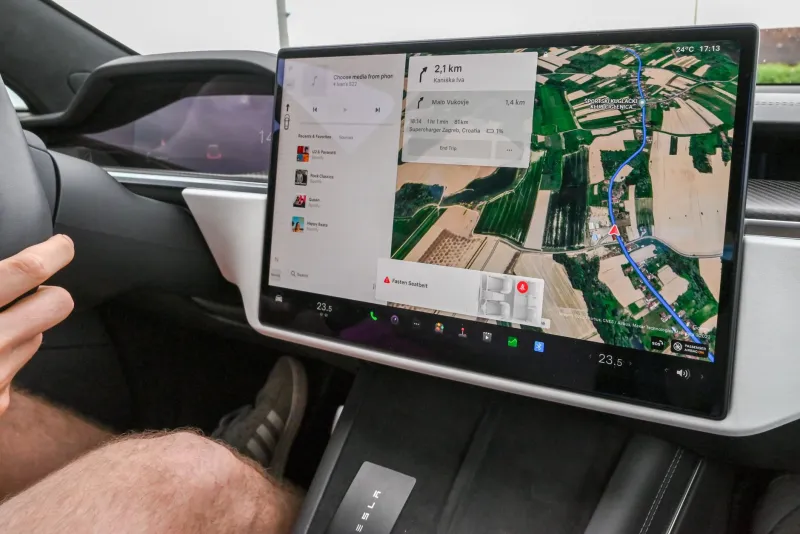
Digital communication collapsed that gap. Slack, Teams, Gmail, and their predecessors didn't just speed up communication — they made communication into a permanent record. Every message is timestamped. Every thread is searchable. Every reaction emoji is technically logged somewhere on a server.
The result is a workplace where people have become, often unconsciously, more careful. More performative. More aware that what they type is not a conversation — it's a document. The frank, off-the-record exchange that used to happen over coffee or in the elevator now has to happen in person, deliberately, in a space where phones are face-down and no one is typing.
There's a reason the phrase "let's take this offline" became standard corporate vocabulary. It's an acknowledgment that some conversations still need to exist outside the archive.
What the Typing Pool Knew
Before the personal computer arrived on every desk, many large American companies had typing pools — rooms full of skilled typists who processed correspondence and documents for executives and managers. It was a system that sounds archaic now, but it had an interesting side effect: the people in the typing pool knew everything.
They typed the memos. They heard the dictation. They processed the letters. And they shared almost none of it, because discretion was a professional virtue — arguably the professional virtue — in that role. The information existed, flowed through human hands, and was contained by social norms rather than technical controls.
Compare that to today, where information flows through systems that are technically controlled, monitored, and retained — and yet leaks more than ever. The difference isn't really about the technology. It's about what happens when people stop treating communication as something that requires care because they know the system is watching anyway.
The Permanent Record We Never Asked For
There's something worth sitting with here. The modern American worker lives inside a communication infrastructure that is almost perfectly transparent — to employers, to legal discovery processes, to data breaches, to the company that hosts the platform. Every message is evidence of something, even if that something is completely mundane.
The old office wasn't more honest. It wasn't more ethical. It wasn't better, exactly. But it had room for the kind of messy, unguarded, genuinely human exchange that happens when people know the conversation will end when the conversation ends.
The whispers and the memos and the pink While You Were Out slips — they were imperfect. But they belonged to the people who made them. That's a kind of privacy we didn't know we had until it was gone.