Wandering the Vinyl Maze: When Finding Your Next Favorite Song Required Real Detective Work
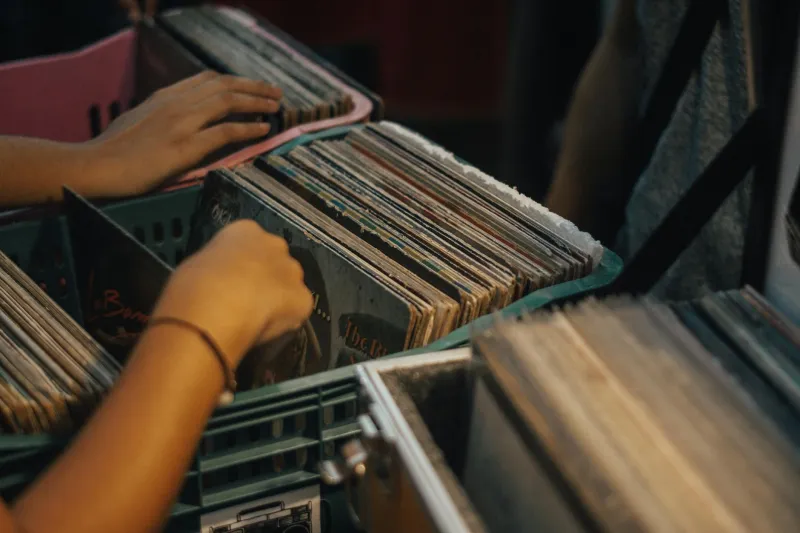
Walk into any record store in 1985, and you'd find something that seems almost quaint today: people genuinely lost in the hunt for their next musical obsession. They'd spend entire Saturday afternoons flipping through alphabetized bins, reading liner notes like sacred texts, and engaging in passionate debates with clerks who treated music curation as a calling, not a side hustle.
Today, Spotify serves up your "Discover Weekly" playlist every Monday morning, a perfectly curated collection of songs that somehow knows you've been secretly listening to indie folk at 2 AM. The algorithm has studied your habits, cross-referenced your preferences with millions of other users, and delivered exactly what you're statistically likely to enjoy.
It's incredibly efficient. It's also nothing like the beautiful chaos of how music discovery used to work.
The Sacred Ritual of Record Store Wandering
Before streaming services turned music into an infinite buffet, finding new songs required genuine effort. You'd walk into Tower Records or your local independent shop with maybe $20 burning a hole in your pocket and absolutely no guarantee you'd walk out with something you'd actually want to hear twice.
 Photo: Tower Records, via www.vinylchapters.com
The process was wonderfully analog. You'd start in the section you knew — maybe classic rock or hip-hop — then gradually drift into uncharted territory. A compelling album cover might catch your eye. You'd flip it over, scan the song titles, maybe recognize a producer's name from another record you loved. Sometimes you'd find a listening station where you could sample 30-second clips through foam-covered headphones that had seen better decades.
But the real magic happened when you struck up a conversation with someone who worked there. These weren't just retail employees — they were musical evangelists who could connect dots you'd never see coming. "If you like that Talking Heads album, you should definitely check out this Nigerian funk record from 1974." Half the time, they were absolutely right.
 Photo: Talking Heads, via images.genius.com
When Your Taste Expanded by Accident
The inefficiency of record store browsing created something that algorithms struggle to replicate: genuine surprise. You might walk in looking for the new R.E.M. album and leave with a Bolivian folk record because it was misfiled in the wrong bin and the cover art looked intriguing.
These accidental discoveries shaped musical tastes in ways that feel almost impossible today. Your favorite band might have become your favorite band because their CD was right next to something else you were looking for, or because a friend's older brother left it lying around, or because the radio DJ played it right after something you already loved.
Modern recommendation engines are incredibly sophisticated, but they're designed to give you more of what you already like, refined and optimized. They're less likely to suggest that Bolivian folk record unless you've already demonstrated an interest in South American music, acoustic instruments, and world music generally.
The Social Soundtrack of Discovery
Record stores weren't just retail spaces — they were cultural gathering points where musical knowledge flowed freely. You'd overhear conversations between strangers about obscure B-sides, witness heated debates about which Pink Floyd album was truly their best, and absorb musical education just by being present.
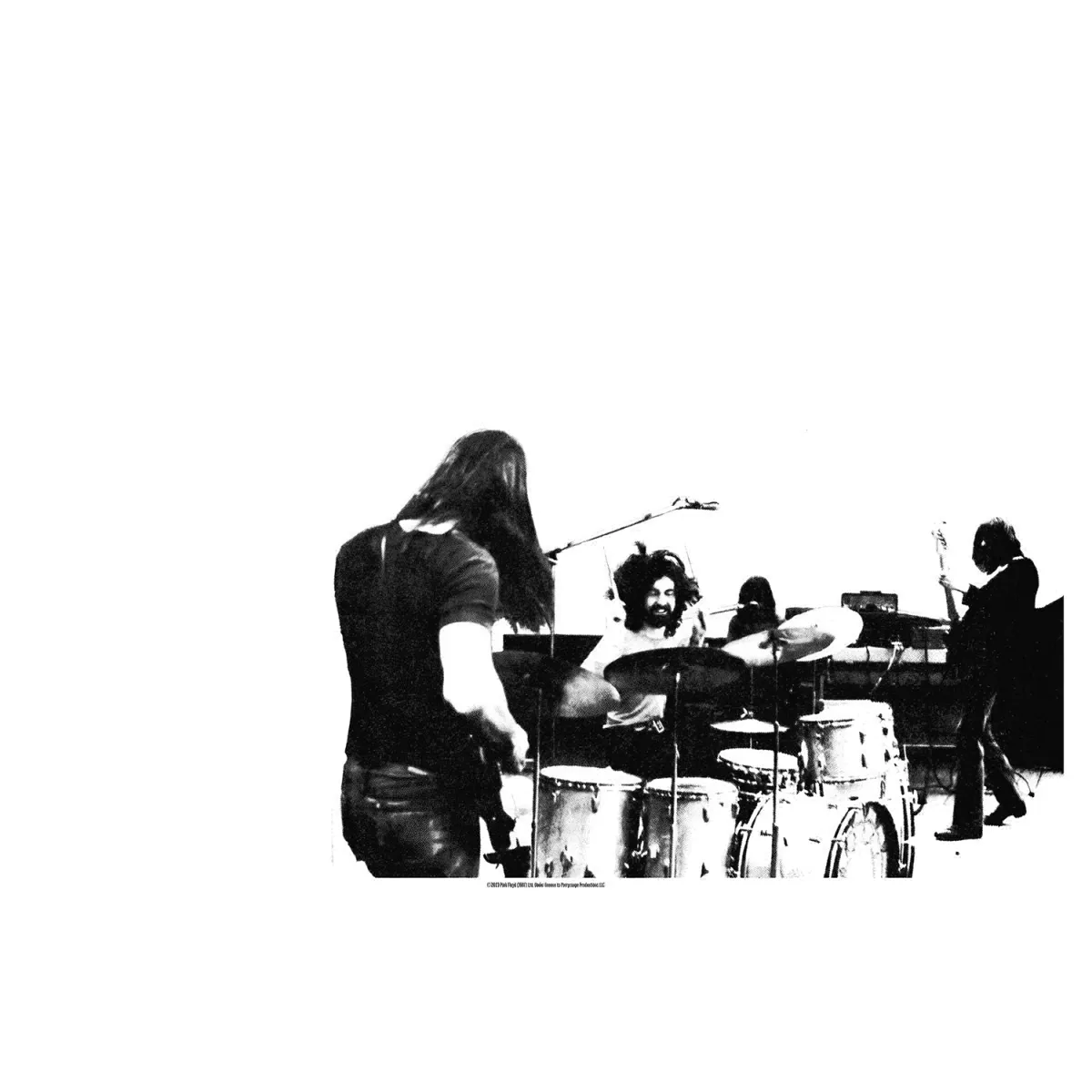 Photo: Pink Floyd, via shop.pinkfloyd.com
The clerks weren't just employees; they were tastemakers with deep knowledge and strong opinions. They'd hand-write recommendation cards, create in-store playlists that introduced customers to new artists, and build genuine relationships with regulars whose preferences they'd learned over years of interaction.
This human curation created a kind of musical community that streaming services try to replicate through social features and friend recommendations, but it's not quite the same. When someone you've never met hands you a record and says, "Trust me on this one," there's a personal investment that no algorithm can match.
What We Gained, What We Lost
Today's music discovery is undeniably more convenient and comprehensive. Spotify's library contains over 100 million songs. You can instantly access virtually any recording ever made, sample entire albums before buying, and discover artists from around the world without leaving your house.
The algorithms are genuinely impressive. They can identify patterns in your listening habits that you might not even notice yourself, introducing you to artists who share subtle musical DNA with your favorites. They're available 24/7, never get tired of your questions, and don't judge you for your secret love of early 2000s pop-punk.
But something was lost in translation. The physical act of handling records, reading liner notes, and making deliberate choices about what to bring home created a different relationship with music. When you'd spent your entire allowance on three albums, you listened to them until you knew every note, every lyric, every production choice.
The surprise factor has been optimized away. Algorithms are designed to minimize disappointment, but they also minimize the chance that you'll stumble onto something completely outside your comfort zone that ends up changing your entire musical perspective.
The Echo Chamber We Built
Perhaps most importantly, we've traded serendipity for efficiency. Modern music discovery tends to keep us within increasingly refined bubbles of our own taste, serving up variations on themes we already know we like. The algorithm learns from our skips and saves, gradually narrowing its suggestions to a more and more precise target.
This creates what researchers call "filter bubbles" — personalized information ecosystems that reflect our existing preferences back at us. In music, this might mean you never hear that weird experimental jazz album that could have opened up an entirely new genre for you, simply because nothing in your listening history suggested you might be interested.
The old system was messier, less efficient, and occasionally frustrating. But it was also more surprising, more social, and more likely to push you into musical territory you'd never thought to explore.
We've gained instant access to humanity's entire musical catalog. But we might have lost something harder to quantify: the joy of getting genuinely, wonderfully lost in the search itself.