The Doctor Who Delivered You, Treated Your Kids, and Knew Your Family's Secrets

The Doctor Who Delivered You, Treated Your Kids, and Knew Your Family's Secrets
Dr. William Patterson kept his patient files in a wooden cabinet that his grandfather had built. No computer system, no digital records, no insurance codes — just handwritten notes in manila folders, organized alphabetically by family name. For forty-three years, he practiced medicine in the same small office in Cedar Rapids, Iowa, treating three generations of the Morrison family, four generations of the Kowalskis, and countless others who trusted him with their bodies, their fears, and their most intimate secrets.
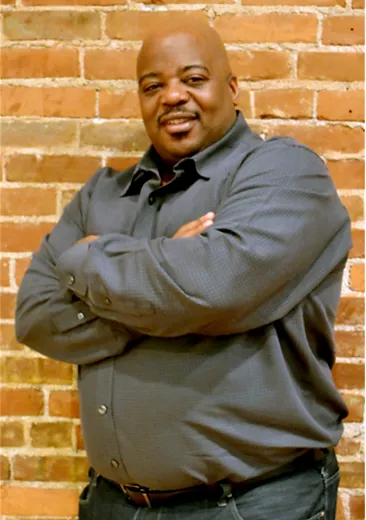 Photo: Dr. William Patterson, via static.wixstatic.com
When Mrs. Eleanor Morrison called Dr. Patterson at 2 AM because her youngest son had a fever, she didn't need to explain that Tommy had a history of ear infections, that his older brother had struggled with similar issues, or that their father carried a genetic predisposition to certain conditions. Dr. Patterson knew. He'd delivered Tommy, treated his brother's infections, and had long conversations with their grandfather about the family's medical tendencies.
This was American medicine for most of the 20th century — deeply personal, intensely local, and built on relationships that spanned decades.
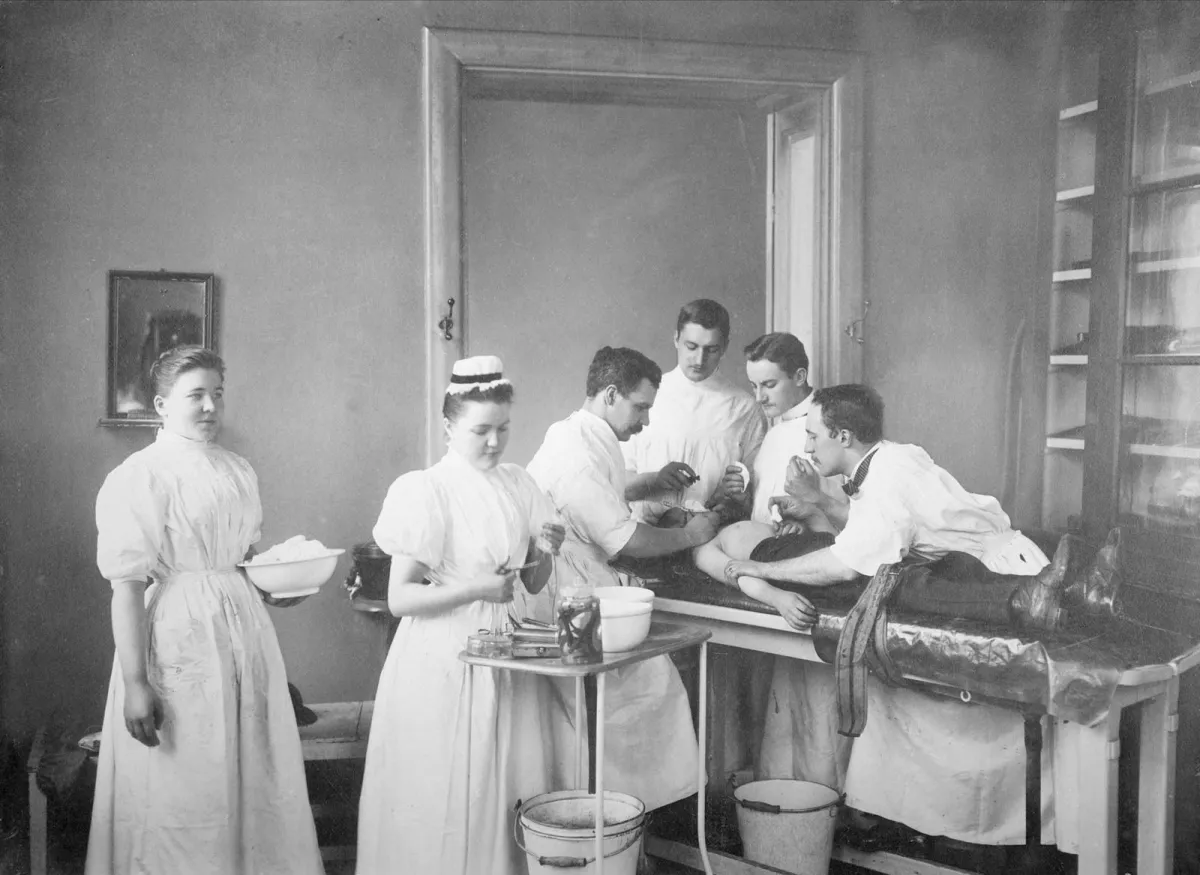 Photo: American medicine 20th century, via cdn.britannica.com
The Era of Medical Intimacy
Family doctors didn't just treat diseases; they understood families. Dr. Patterson knew that the Kowalski men tended to ignore chest pain until it became serious. He understood that the Morrison women often dealt with anxiety but rarely admitted it directly. He could spot patterns across generations that no amount of data analysis could replicate, because he'd witnessed these families grow, struggle, celebrate, and mourn.
House calls were standard practice. When old Mr. Chen couldn't make it to the office, Dr. Patterson would drive to his home, black bag in hand, ready to examine patients in their own bedrooms. He'd check on new mothers, treat childhood fevers, and provide comfort to families facing terminal diagnoses — all within the familiar walls of home.
The financial relationship was equally intimate. Families paid Dr. Patterson directly, often in cash, sometimes in trade. The Hendersons paid part of their bill with fresh vegetables from their garden. The O'Briens, struggling through a tough winter, arranged a payment plan with a handshake. Medical bankruptcy was virtually unknown because costs were transparent, reasonable, and negotiable.
When Medicine Became a System
Today's medical landscape would be unrecognizable to Dr. Patterson. The average American now sees multiple specialists, each focused on a specific body system, each requiring a separate appointment, separate insurance authorization, and separate explanation of symptoms and history.
Walk into any modern medical facility and you'll encounter a maze of administrative complexity. Check-in involves insurance cards, photo identification, and digital forms asking for information that should already exist somewhere in the system. You'll likely see a different doctor than last time, someone who needs to review your digital file to remember your name, let alone your medical history.
The personal touch has been systematized out of existence. Where Dr. Patterson once knew instinctively that Mrs. Morrison's "stomach troubles" were actually manifestations of stress about her husband's drinking, today's physicians must rely on diagnostic codes, standardized questionnaires, and computer algorithms to piece together patterns that human intuition once recognized immediately.
The Price of Progress
Modern medicine can perform miracles that Dr. Patterson could never have imagined. We can replace hearts, cure cancers that were once death sentences, and extend lives in ways that would have seemed supernatural in his era. Specialists possess deep knowledge in their fields that no single family doctor could match.
But something profound was lost in the transition. Medical care became more effective but less human. Patients became cases, families became data points, and the healing relationship — that mysterious bond between doctor and patient built on trust, familiarity, and genuine care — became a luxury that few can afford.
Insurance companies now dictate treatment options, limiting both doctor and patient choice. The average primary care physician sees 20-25 patients per day, spending an average of 13-16 minutes with each person. There's barely time to address immediate concerns, let alone build the kind of relationship that once defined American medicine.
What We Traded Away
Dr. Patterson retired in 1987, selling his practice to a large medical group that immediately computerized his hand-written files and integrated his patients into a regional healthcare system. Many of his long-term patients struggled to adapt to the new model, where their medical history became a series of data points rather than a living story known by heart.
The Morrison family, now in their third generation of Dr. Patterson's care, found themselves explaining their family's medical tendencies to a succession of different physicians. The intimacy was gone, replaced by efficiency, specialization, and systematic care that was undoubtedly more advanced but somehow less healing.
We gained incredible medical capabilities but lost something equally valuable: the comfort of being known, understood, and cared for by someone who remembered not just your symptoms, but your story. In our rush toward medical progress, we forgot that healing has always been as much about human connection as clinical expertise.
The family doctor who knew everything about you wasn't just providing medical care — he was providing something increasingly rare in modern life: the profound comfort of being truly known.