The Ghost in Your Shopping Cart: When Buying Meant Nobody Was Watching
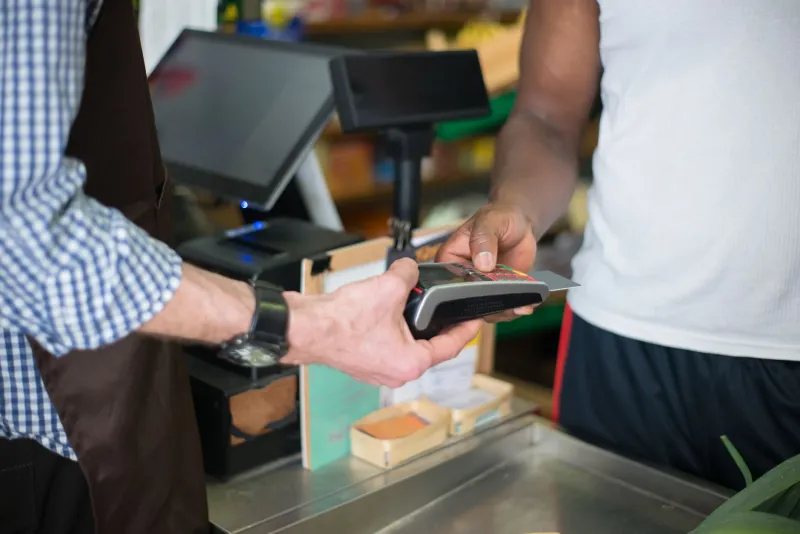
Picture this: It's 1991, and you walk into a Kmart in suburban Detroit with a twenty-dollar bill in your pocket. You pick up a pack of batteries, a greeting card for your mom's birthday, and a candy bar you definitely don't need. You approach the register, hand over your cash, take your change and receipt, and walk out.
That transaction began and ended at the counter. No one recorded your name, tracked your preferences, or filed away information about your shopping habits. You were a ghost in the retail system—present for the moment of exchange, then gone without a trace.
Today, that same shopping trip would generate a data trail longer than your receipt.
The Age of Anonymous Commerce
For most of American retail history, shopping was beautifully anonymous. Unless you were buying on credit from the local general store where the owner knew your family, retail transactions were purely transactional. You wanted something, you paid for it, and that was the end of the relationship.
Department stores like Sears and Montgomery Ward built entire business empires without knowing much about individual customers beyond their mailing addresses for catalog delivery. Even credit card transactions, when they became common in the 1970s and 80s, were primarily about payment processing, not data collection. Your Visa card helped you buy things, but Visa wasn't particularly interested in analyzing your grocery preferences or predicting your next purchase.
Cash was king, and cash told no tales. A dollar bill couldn't reveal whether you were buying dog food because you had a dog or because it was on sale and you were stockpiling. The money changed hands, the product changed ownership, and that was the complete story.
When Loyalty Cards Changed Everything
The first crack in retail anonymity came disguised as customer service. In the early 1990s, grocery chains began introducing "loyalty cards" that promised discounts in exchange for basic information. The pitch was simple: give us your name and address, and we'll give you lower prices on milk and bread.
Americans, trained by decades of coupon culture to hunt for deals, signed up enthusiastically. What seemed like a fair trade—a little personal information for real savings—was actually the beginning of the most comprehensive consumer surveillance system in history.
Those early loyalty programs were primitive by today's standards, but they established the principle that would reshape retail forever: your shopping data was valuable enough that stores would pay you (through discounts) to collect it. What started as simple transaction tracking quickly evolved into sophisticated behavioral analysis.
Sudenly, grocery stores knew not just what you bought, but when you bought it, how often you shopped, which brands you preferred, and how price-sensitive you were to different product categories. They could predict when you'd run out of laundry detergent and send you targeted coupons accordingly.
The Invisible Watchers
Modern retail surveillance operates at levels that would have seemed like science fiction to shoppers in the 1980s. Walk into any major retailer today, and you're immediately part of multiple tracking systems working simultaneously.
Your smartphone connects to the store's WiFi, revealing your location throughout the building and how long you spend in each section. Security cameras equipped with facial recognition software identify you as a returning customer before you reach the first aisle. If you use a credit card, payment processors analyze your purchase patterns and sell insights about your spending habits to marketing companies.
Online shopping has taken this surveillance to unprecedented levels. Every click, pause, and scroll generates data points. E-commerce sites track not just what you buy, but what you almost bought, how long you considered different options, and what ultimately changed your mind. They know if you're a comparison shopper, an impulse buyer, or someone who abandons carts when shipping costs appear.
Amazon, the ultimate expression of data-driven retail, knows so much about customer preferences that it can predict what you'll want to buy before you know you want it. The company has experimented with "anticipatory shipping"—sending products to warehouses near customers who are likely to order them, based on browsing patterns and purchase history.
The Price of Convenience
In exchange for this comprehensive surveillance, Americans gained undeniable conveniences. Recommendation engines help us discover products we actually want. Targeted ads show us deals on items we've been considering. One-click purchasing eliminates the friction from buying decisions. Loyalty programs provide genuine savings and rewards.
Stores can optimize inventory based on real-time demand data, reducing waste and keeping popular items in stock. Customer service representatives can access purchase histories to resolve problems quickly. Return policies can be more flexible when stores have complete records of what you bought and when.
But this convenience came with a cost that most Americans didn't fully understand when they started signing up for loyalty cards and creating online accounts. We traded our shopping anonymity for efficiency, often without realizing the exchange was permanent.
The Behavioral Economics of Surveillance
Modern retail surveillance doesn't just track what you buy—it influences what you buy. Algorithms analyze your purchase patterns to determine your price sensitivity, showing different customers different prices for the same products. Dynamic pricing means the cost of airline tickets, hotel rooms, and even everyday goods can fluctuate based on your browsing history and perceived ability to pay.
Retailers use purchase data to optimize store layouts, placing products where they're most likely to catch your eye based on traffic patterns and buying behaviors. They send targeted promotions designed to trigger purchases at moments when you're statistically most likely to buy.
This level of behavioral manipulation was impossible in the era of anonymous cash transactions. When stores didn't know who you were or what you typically bought, they had to compete on price, selection, and service rather than personalized psychological influence.
What We Lost in the Exchange
The death of anonymous shopping represents more than just a privacy concern—it's a fundamental shift in the relationship between consumers and commerce. When every purchase creates a permanent record, shopping becomes a form of self-expression that follows you forever.
Buy baby formula once for a friend's emergency, and you'll receive diaper ads for months. Purchase a self-help book about relationships, and algorithms will assume you're having relationship problems. Browse products related to medical conditions, and that information becomes part of your digital profile, potentially affecting everything from insurance rates to employment opportunities.
In the anonymous shopping era, your purchases were private decisions with public consequences only at the moment of transaction. Today, every buying decision becomes part of a permanent digital identity that shapes how companies, and increasingly governments, understand who you are.
The ghost shopper of 1991 could buy embarrassing products, experiment with different brands, or make impulsive purchases without creating a lasting record. That privacy created space for personal exploration and change that's increasingly rare in our surveilled shopping landscape.
We gained convenience, personalization, and efficiency. But we lost something harder to measure: the freedom to buy things without being watched, judged, and permanently categorized by systems that never forget and never stop learning about who we are through what we choose to purchase.