When Lunch Meant Leaving: How America Lost Its Sacred Hour of Freedom
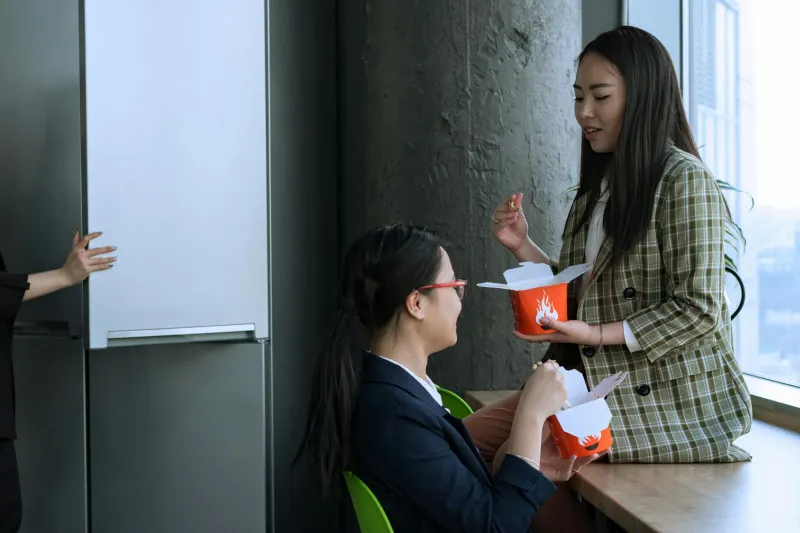
The Ritual of the Real Lunch Break
Picture this: It's 1965, and the clock strikes noon at offices across America. Typewriters fall silent. Desk drawers slam shut. Workers grab their coats and head for the door—not to run errands or wolf down a protein bar, but to eat lunch. Actual lunch. At actual tables. With actual conversation.
This wasn't some luxury reserved for executives. From bank tellers to factory supervisors, the lunch hour was sacred territory. You left work, you sat down, and for sixty uninterrupted minutes, you existed as a human being instead of a productivity unit.
When Restaurants Lived and Died by the Lunch Rush
Downtown business districts hummed with a different energy back then. Between 11:30 AM and 1:30 PM, entire city blocks transformed into dining districts. Lunch counters served blue plate specials. Cafeterias offered hot meals on actual plates. Even humble diners counted on the midday rush to keep their lights on.
Restaurants hired extra staff just for lunch service. They printed separate lunch menus. Some establishments existed purely to serve the working crowd between noon and one—and they thrived doing it.
Compare that to today's landscape. The traditional lunch restaurant is nearly extinct, replaced by grab-and-go chains optimized for speed over satisfaction. Subway sandwiches eaten at keyboards. Salad bowls consumed during conference calls. The very architecture of eating has shifted from communal tables to individual containers.
The Numbers Don't Lie
In 1960, the average American worker took a 47-minute lunch break. By 2020, that number had shrunk to just 18 minutes—and that includes time spent microwaving leftovers or ordering delivery. A 2019 study found that 62% of workers eat lunch at their desks at least three times per week.
But here's the kicker: productivity hasn't improved proportionally. Despite sacrificing our lunch hours on the altar of efficiency, American workers report higher stress levels and lower job satisfaction than their well-fed predecessors.
Technology: The Great Enabler of Lunch's Demise
The death of lunch wasn't accidental—it was engineered by the very tools we thought would make life easier. Email arrived in the 1990s, promising to streamline communication. Instead, it created an expectation of constant availability. Suddenly, being unreachable for an hour felt irresponsible.
Smartphones delivered the killing blow. Why leave the office when you can order food to your desk with three taps? Why sit in a restaurant when you can scroll through emails between bites? The device that was supposed to free us from our desks instead chained us to them permanently.
Slack, Microsoft Teams, and other workplace messaging platforms turned every moment away from the screen into potential missed opportunities. The fear of missing an important message—or worse, appearing disengaged—transformed lunch from a right into a guilty pleasure.
The Cultural Shift Nobody Noticed
Something profound happened when lunch stopped being lunch. We didn't just lose a meal; we lost a buffer zone between morning productivity and afternoon deadlines. We lost impromptu conversations with colleagues that often sparked innovation. We lost the simple act of stepping outside and remembering that a world exists beyond our office walls.
The Europeans still get it. In France, lunch breaks are legally protected. Spanish businesses shut down for siesta. These aren't quaint cultural quirks—they're recognition that human beings need genuine breaks to function optimally.
Meanwhile, American workers have internalized the belief that eating lunch away from work is somehow lazy or inefficient. We've turned a basic human need into a productivity hack, measuring our worth by how quickly we can refuel and return to our tasks.
What We Lost When We Stopped Leaving
The traditional lunch hour served purposes beyond nutrition. It was social glue—the place where office hierarchies softened and genuine relationships formed. It was mental reset time, allowing the brain to process the morning's work and prepare for the afternoon. It was a daily reminder that work, no matter how important, was just one part of life.
Today's "working lunch" culture has eliminated these benefits while maintaining the caloric intake. We're technically eating, but we're not truly breaking. Our brains never disengage, our social connections remain transactional, and our relationship with food becomes purely functional.
The Clock That Never Stops
The transformation of lunch mirrors a broader shift in how Americans relate to time itself. We've moved from discrete chunks of work and rest to a blended reality where productivity never truly pauses. The lunch hour was one of the last bastions of protected personal time during the workday—and we surrendered it willingly.
Every seven-minute desk lunch is a small surrender to the idea that human needs come second to organizational demands. We've traded the ritual of leaving for the efficiency of staying, the pleasure of sitting for the productivity of multitasking.
The clock still strikes noon, but we're no longer listening. In our rush to save time, we lost something that can't be measured in minutes: the simple freedom to step away and remember who we are when we're not working.