When Everything Took Forever: The Lost Era of America's Great Wait
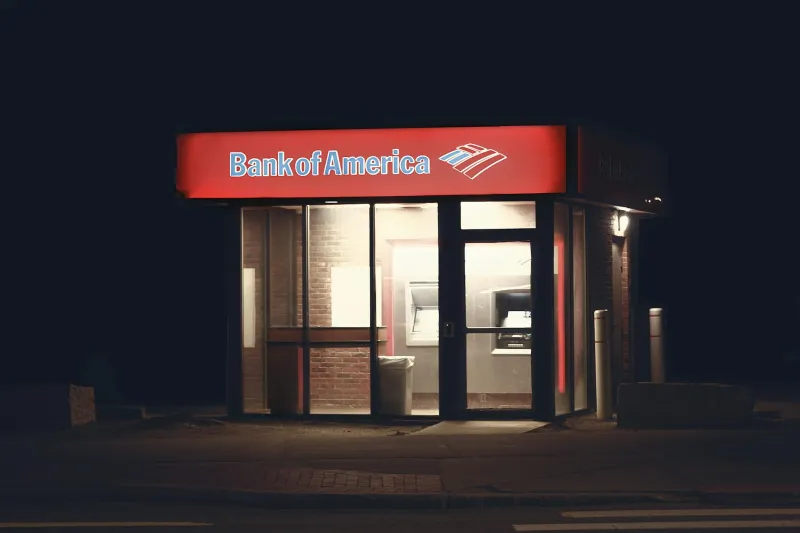
Picture this: It's 1985, and you need to deposit your paycheck. You leave work at 5 PM, rush to the bank, and find yourself 12th in line. The teller windows close at 6 PM sharp. You check your watch every thirty seconds, hoping the woman ahead of you stops chatting about her grandson's Little League season. This wasn't an occasional inconvenience—it was Friday.
For most of American history, waiting wasn't just something you did between more important activities. Waiting was the activity. Our grandparents didn't just tolerate long lines and processing delays—they planned their entire lives around them.
The Architecture of Delay
Banking meant surrendering your lunch break or racing against closing time. Before ATMs became widespread in the 1980s, every transaction required a human teller during business hours. Need cash on Saturday? Too bad. Sunday? Forget about it. The concept of 24/7 access to your own money would have seemed as fantastical as flying cars.
Grocery shopping followed similar rules. No barcode scanners meant cashiers manually punched in every price. A full cart could take twenty minutes to ring up. Customers stood patiently as clerks flipped through price books to find the cost of a can of soup. The idea of scanning items with your phone and walking out would have been pure science fiction.
Even entertainment required strategic patience. Calling the movie theater meant listening to a busy signal for ten minutes before reaching a human who read showtimes from a printed schedule. No online tickets, no reserved seats—just show up early and hope for the best.
The Mail-Order Marathon
Before Amazon Prime transformed "fast shipping" into an overnight expectation, Americans measured delivery times in weeks, not days. The Sears catalog was America's original e-commerce platform, but ordering a lawn mower meant filling out paper forms, mailing a check, and waiting 4-6 weeks for delivery.
Customers developed entirely different relationships with purchases. You didn't impulse-buy a winter coat in October—you ordered it in August and hoped it arrived before the first snow. Returns? Mail the item back and wait another month for your refund check.
This system created a unique form of delayed gratification. Children circled Christmas wishes in catalogs months ahead of time, building anticipation that modern instant delivery has largely eliminated. The arrival of a mail-order package was an event that could make your week.
Government at the Speed of Molasses
Bureaucracy moved even slower. Renewing your driver's license meant taking a half-day off work, not because the process was complicated, but because you'd spend three hours in line at the DMV. No appointments, no online renewals—just pure, democratic waiting alongside your fellow citizens.
Applying for a passport required a trip to the post office with a stack of documents, then a 6-8 week wait. International travel demanded the kind of advance planning usually reserved for military operations.
Tax refunds arrived as paper checks 8-12 weeks after filing. Families budgeted around these delays, treating the eventual refund like a surprise windfall rather than their own money being returned.
The Psychology of Patience
This constant waiting shaped American psychology in ways we're only now beginning to understand. People carried books everywhere because idle time was abundant and unpredictable. Conversations with strangers were common—what else were you going to do while standing in line for forty minutes?
Families developed elaborate coordination systems. "I'll be at the bank, then the grocery store, then picking up the dry cleaning" wasn't just an itinerary—it was a military operation planned around business hours and processing times.
The phrase "hurry up and wait" became cultural shorthand for the fundamental rhythm of American life. You rushed to get places on time, then waited for systems to catch up with your presence.
The Digital Disappearing Act
Today's teenagers have never experienced true institutional waiting. They've never stood in line to cash a check, never waited for film to be developed, never planned their day around bank hours. The concept of "business hours" itself is becoming quaint.
Mobile banking, contactless payments, and instant everything have compressed transactions that once took hours into seconds. We order lunch with three taps and expect it ready in ten minutes. We transfer money between accounts while walking down the street.
Even government bureaucracy has largely digitized. Passport renewals happen online. DMV appointments can be scheduled in advance. Tax refunds arrive via direct deposit in days, not months.
What We Lost When We Stopped Waiting
The efficiency gains are undeniable, but something subtle vanished with America's great wait. Forced patience created natural breaks in the day, moments when productivity stopped and human connection could happen. The grocery store checkout line was where neighbors caught up. The bank lobby was where community happened.
We also lost a certain resilience. Previous generations developed an almost supernatural ability to wait without complaint, to find entertainment in their own thoughts, to strike up conversations with strangers. These weren't character virtues—they were survival skills in a slower world.
The next time you tap your phone impatiently because an app takes three seconds to load, remember: your grandparents would have considered that instant gratification a minor miracle. They built their entire lives around waiting, and somehow, they managed just fine.
In gaining speed, we lost something harder to measure—the gentle rhythm of a world that moved at human pace, where patience wasn't just a virtue, but a daily requirement.