Seven Digits and a Prayer: When Your Brain Was America's Original Contact List
Seven Digits and a Prayer: When Your Brain Was America's Original Contact List
Ask someone over 50 to recite their childhood phone number, and they'll likely rattle it off without hesitation, even if they haven't dialed it in decades. Ask the same person for their current best friend's number, and you'll probably get a blank stare followed by, "Let me check my phone."
This isn't a failure of memory — it's the result of one of the most profound cognitive shifts in human history. For most of the 20th century, remembering phone numbers was as basic a mental skill as knowing your own address. Today, the average American can recall maybe three phone numbers from memory, and that's usually being generous.
We've outsourced an entire category of human memory to our devices, and most people never stopped to consider what that exchange really cost us.
The Mental Gymnasium of Seven Digits
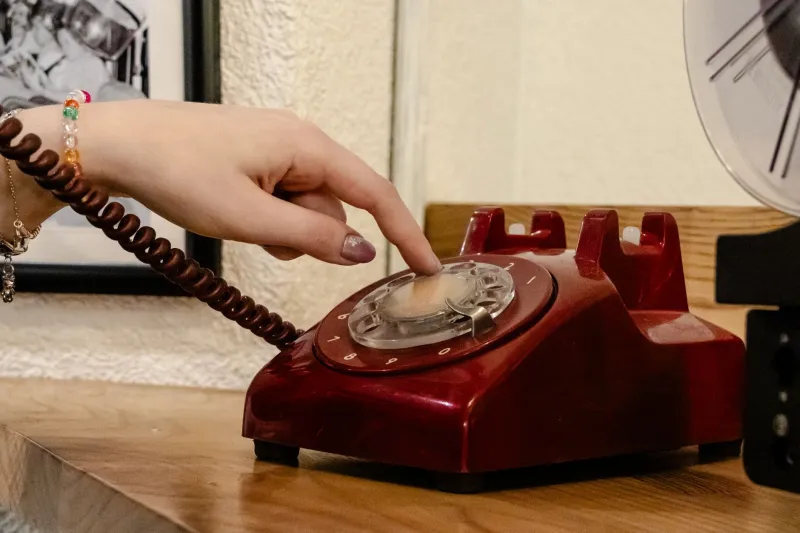
Before smartphones turned every contact into a name you could tap, phone numbers were serious mental real estate. The standard format — three digits, then four — was specifically designed to match the limits of human short-term memory, but committing numbers to long-term storage required genuine effort and repetition.
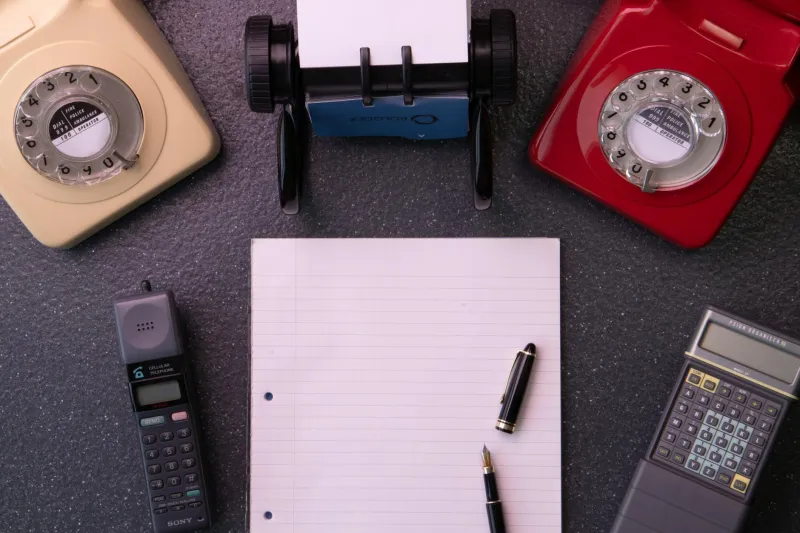
Families would keep handwritten phone books, usually a small notebook or address book that lived near the kitchen phone. But for the numbers you called regularly — your best friend, the pizza place, your doctor, your workplace — memorization wasn't optional. It was the difference between making a call and not making a call.
Children learned their home phone number as early as they learned their address, drilled into them as essential safety information. By high school, most teenagers could recite a dozen or more numbers from memory: family members, close friends, favorite restaurants, and the numbers they called most often.
This wasn't just rote memorization. It was active, daily mental exercise that kept certain cognitive muscles in constant use.
The Social Architecture of Numeric Memory
Phone numbers created a unique form of social intimacy. Knowing someone's number by heart meant something — it indicated a relationship important enough to commit to memory. There was a hierarchy to numeric knowledge that reflected the hierarchy of your relationships.
You knew your family's numbers first, then your closest friends, then frequently called businesses, then more distant relatives and casual acquaintances. The act of memorizing someone's number was itself a small declaration of their importance in your life.
This created interesting social dynamics that seem almost quaint today. Asking someone for their phone number required a certain level of confidence — you were essentially asking them to grant you direct access to their home, usually their family's shared line. Getting that number, and then committing it to memory, represented a meaningful step in any relationship.
There was also something democratic about this system. Rich or poor, everyone's phone number was exactly seven digits long (plus area code). Your social connections were limited by what you could remember, not by the storage capacity of your device or the sophistication of your contact management system.
The Cognitive Load We Carried
Maintaining a mental contact list required constant maintenance. Phone numbers would occasionally change, area codes would split, and people would move. Your brain had to continuously update, cross-reference, and occasionally purge outdated information.
This created a kind of cognitive discipline that extended beyond just remembering numbers. People became skilled at creating mental associations, developing memory techniques, and organizing information in their heads. The brain adapted to handle this constant stream of numerical data, creating neural pathways that strengthened with regular use.
Some people became legendary for their mental phone books. Every office had someone who could rattle off the direct lines for dozens of clients, vendors, and colleagues. Every neighborhood had a person who seemed to know everyone's number by heart.
This wasn't just showing off — it was genuinely practical. Looking up a number meant finding a phone book, flipping through pages, and hoping the information was current. Calling directory assistance cost money and took time. Mental storage was faster, cheaper, and always available.
When Technology Began the Great Forgetting
The decline of phone number memorization didn't happen overnight. It began with answering machines in the 1980s, which reduced the urgency of knowing numbers by heart — you could always call back later. Caller ID in the 1990s made it less important to recognize voices, since you could see who was calling.
But the real transformation came with cell phones and digital contact lists. Suddenly, you could store hundreds of numbers without memorizing any of them. The phone would remember for you, and it would remember perfectly, without the possibility of human error.
The iPhone, launched in 2007, essentially completed this transition. Not only could it store unlimited contacts, but it could sync them across devices, back them up to the cloud, and even suggest who you might want to call based on your patterns and relationships.
Within a decade, the mental skill that had been essential for human communication became essentially obsolete.
The Invisible Cognitive Trade-Off
What did we gain from this technological shift? Convenience, certainly. Accuracy — no more misdialed numbers because you remembered a digit wrong. Capacity — your phone can store thousands of contacts that would be impossible to memorize. Backup — if you lose your phone, your contacts can be restored from the cloud.
But what did we lose? The question is more complex than it might seem.
First, we lost a form of mental exercise that kept certain cognitive functions sharp. The brain, like any muscle, gets stronger with use and weaker with disuse. The daily practice of memorizing, recalling, and updating numerical information provided regular mental calisthenics that we no longer perform.
Second, we lost a particular kind of social intimacy. When someone's phone number was committed to your memory, it created a different relationship than when it's just another entry in your digital contacts. The act of memorization itself was a form of caring, a way of saying that this person was important enough to occupy permanent space in your mind.
Third, we lost a backup system we didn't realize we had. When your phone dies, gets lost, or breaks, you're suddenly cut off from virtually everyone in your life except the few numbers you still remember. This creates a vulnerability that previous generations never experienced.
The Neuroscience of Numeric Abandonment
Researchers have begun studying what happens to the brain when we stop exercising certain types of memory. The phenomenon, sometimes called "digital amnesia" or the "Google effect," shows that when people know information will be available externally, they're less likely to remember it internally.
This isn't necessarily bad — it might represent an efficient allocation of mental resources. Why memorize information that's instantly accessible? The brain may be adapting to use its limited capacity for other types of processing and storage.
But some researchers worry about the broader implications. If we stop exercising certain types of memory, do we lose the ability to form and maintain other types of memories? Are there cognitive skills that we're inadvertently weakening by outsourcing so much mental work to our devices?
The jury is still out, but the phone number phenomenon offers a clear example of how quickly and completely human cognitive habits can change when technology provides an alternative.
The Generation Gap in Gray Matter
Perhaps nowhere is this shift more visible than in the generational divide over phone numbers. People who came of age before cell phones often retain the ability to memorize numbers quickly and recall them years later. They developed these skills when they were essential, and the neural pathways remain strong.
People who grew up with smartphones often struggle to memorize even a single phone number, not because they're less intelligent, but because they never developed those particular mental muscles. Their brains allocated cognitive resources differently from the beginning.
This creates interesting family dynamics. Grandparents who can recite phone numbers from the 1970s watch their grandchildren struggle to remember their own parents' cell phone numbers. It's not a moral failing — it's a cognitive adaptation to different technological environments.
What We Remember When We Can't Remember Numbers
The brain space that used to store phone numbers hasn't disappeared — it's been reallocated. Today's young adults might not remember phone numbers, but they can navigate complex digital interfaces, manage multiple social media accounts, and keep track of dozens of passwords and usernames.
They've developed different types of memory skills optimized for different types of information. Instead of memorizing numbers, they remember which app to open, which search terms to use, and how to navigate through digital systems to find what they need.
This represents a fundamental shift in how human memory interfaces with external information systems. We've moved from memorizing specific data points to memorizing how to access data points. It's a different cognitive skill set, neither better nor worse, but adapted to a different technological environment.
The Last Stand of the Mental Phone Book
Some people still maintain the old ways. They memorize important phone numbers as a matter of principle, or habit, or simple nostalgia. They represent the last generation to bridge the gap between mental and digital contact management.
But they're becoming increasingly rare. As landlines disappear and phone numbers become longer and more complex (with area codes required for all calls in most places), even the most dedicated mental phone book keepers are finding it harder to maintain their cognitive contact lists.
The infrastructure that supported phone number memorization — consistent seven-digit formats, stable area codes, and the social expectation that people would remember numbers — has largely disappeared.
We've gained incredible convenience and capability in how we store and access contact information. But we've also lost a particular kind of mental discipline, a form of social intimacy, and a cognitive backup system that served humanity well for nearly a century.
The next time you automatically tap a name instead of dialing a number, consider the small miracle of mental storage that your grandparents took for granted. Seven digits and a prayer — that's all it used to take to stay connected to the people who mattered most.