The Last Generation to Get Lost
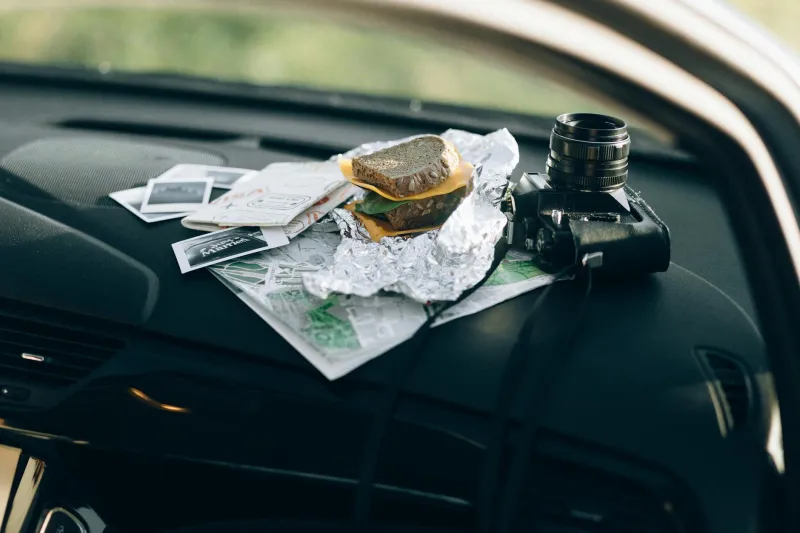
There's a particular kind of confidence that comes from successfully navigating downtown Chicago with nothing but a crumpled Rand McNally atlas and the vague directions from a gas station attendant who "thinks" the hotel is "somewhere near the lake." It's the same confidence our grandparents felt stepping off a Greyhound bus in 1978 with a suitcase and an address scrawled on a napkin.
That confidence is extinct now, killed by the gentle blue dot that follows us everywhere we go.
When Streets Had Personalities, Not Coordinates
Before smartphones turned every American city into a series of turn-by-turn instructions, urban exploration was genuinely unpredictable. Arriving in San Francisco meant unfolding a paper map the size of a tablecloth, tracing your finger along streets that curved and climbed in ways that made no sense on paper, and accepting that you'd probably end up somewhere you didn't intend to be.
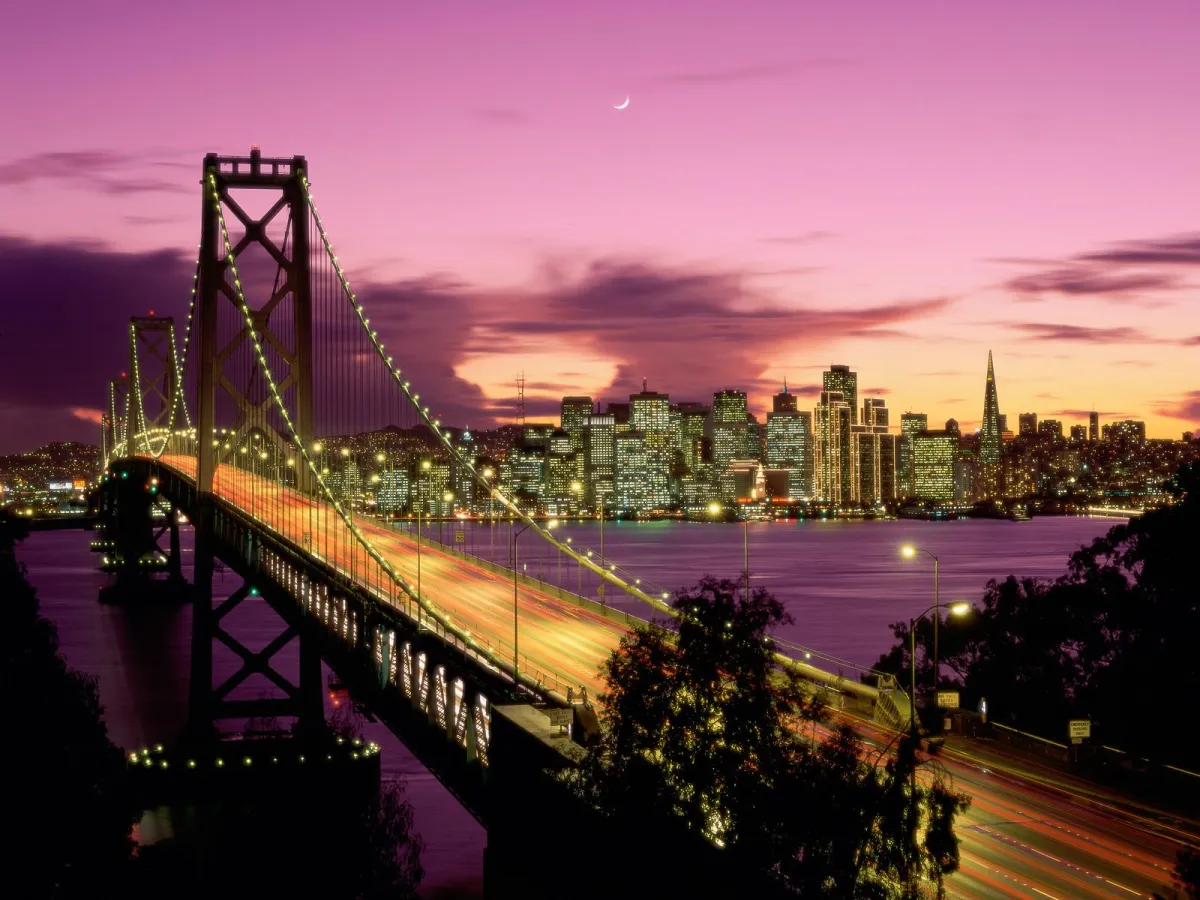 Photo: San Francisco, via eskipaper.com
Those paper maps told stories. They showed elevation changes, marked historical districts, and included tiny illustrations of local landmarks. A good city map was a work of art — something you could study over coffee, planning routes that might lead to discoveries. The fold lines became familiar geography, wearing thin along the most-traveled paths.
Compare that to today's sterile satellite view, where every street looks identical from 500 feet up, and every destination is reduced to a pin drop on a screen.
The Ritual of Asking for Directions
Getting lost wasn't just inevitable — it was part of the experience. When you finally admitted defeat, usually after circling the same four blocks for the third time, you'd pull over and approach a stranger. Not just anyone would do. You learned to read people: the local who walked with purpose, the shopkeeper taking a smoke break, the elderly woman who'd probably lived in the neighborhood for decades.
"Excuse me, do you know how to get to the Convention Center?"
These weren't transactions — they were conversations. People gave directions like they were sharing family recipes, with personal landmarks and local wisdom. "Go past the blue house with the weird fence, turn right at the place where the old diner used to be, and if you hit the church, you've gone too far."
Sometimes these strangers became temporary tour guides, warning you about construction, recommending a better route, or suggesting a place to grab lunch. Getting lost forced Americans to talk to each other in ways that Google Maps has made completely unnecessary.
The Physical Memory of Place
Navigating by landmarks created a different kind of spatial memory. You remembered cities through your senses: the smell of fresh bread near that bakery where you made the crucial left turn, the sound of construction that meant you were getting close to downtown, the way the late afternoon light hit those brownstones just before you reached your hotel.
These sensory memories anchored places in your mind. Chicago wasn't just a collection of street names — it was the city where you discovered that amazing jazz club because you took a wrong turn. Portland was the place where getting lost led you to a food truck that changed how you thought about Korean barbecue.
When Vulnerability Was Part of the Journey
There was genuine vulnerability in pre-GPS travel. Stepping off a plane in Denver with nothing but an address and a general sense of direction required a kind of courage that modern travelers rarely experience. You had to trust your instincts, read the rhythm of a city, and accept that confusion was temporary.
This vulnerability created a different relationship with places. Cities weren't just backdrops for your itinerary — they were puzzles to be solved, mazes to be conquered. The uncertainty made every successful navigation feel like a small victory.
The Death of Serendipity
Today's GPS-guided travel eliminates almost every element of chance. We follow the blue line from Point A to Point B, missing the detours that once led to the best stories. The algorithm chooses our route based on traffic patterns and efficiency, not on what we might discover along the way.
When was the last time you accidentally found your new favorite restaurant because you took a wrong turn? When did you last have to really look at a city — reading street signs, noticing architectural details, getting a feel for the neighborhood rhythms — instead of just following a voice telling you where to go?
What We Lost When We Stopped Getting Lost
The shift from paper maps to GPS represents more than technological progress — it's a fundamental change in how Americans experience adventure. We've traded uncertainty for efficiency, discovery for convenience, and human connection for algorithmic precision.
That trade-off might be worth it when you're running late for a business meeting. But something irreplaceable was lost when we stopped trusting ourselves to figure out where we were going. The confidence that comes from navigating by instinct, the stories that emerge from wrong turns, and the satisfaction of truly knowing a place — not just knowing how to get there.
In our rush to eliminate the possibility of getting lost, we may have lost something more valuable: the willingness to be genuinely surprised by where we end up.