A Sunday Call Used to Cost a Week's Grocery Money. Now It's Free.
A Sunday Call Used to Cost a Week's Grocery Money. Now It's Free.
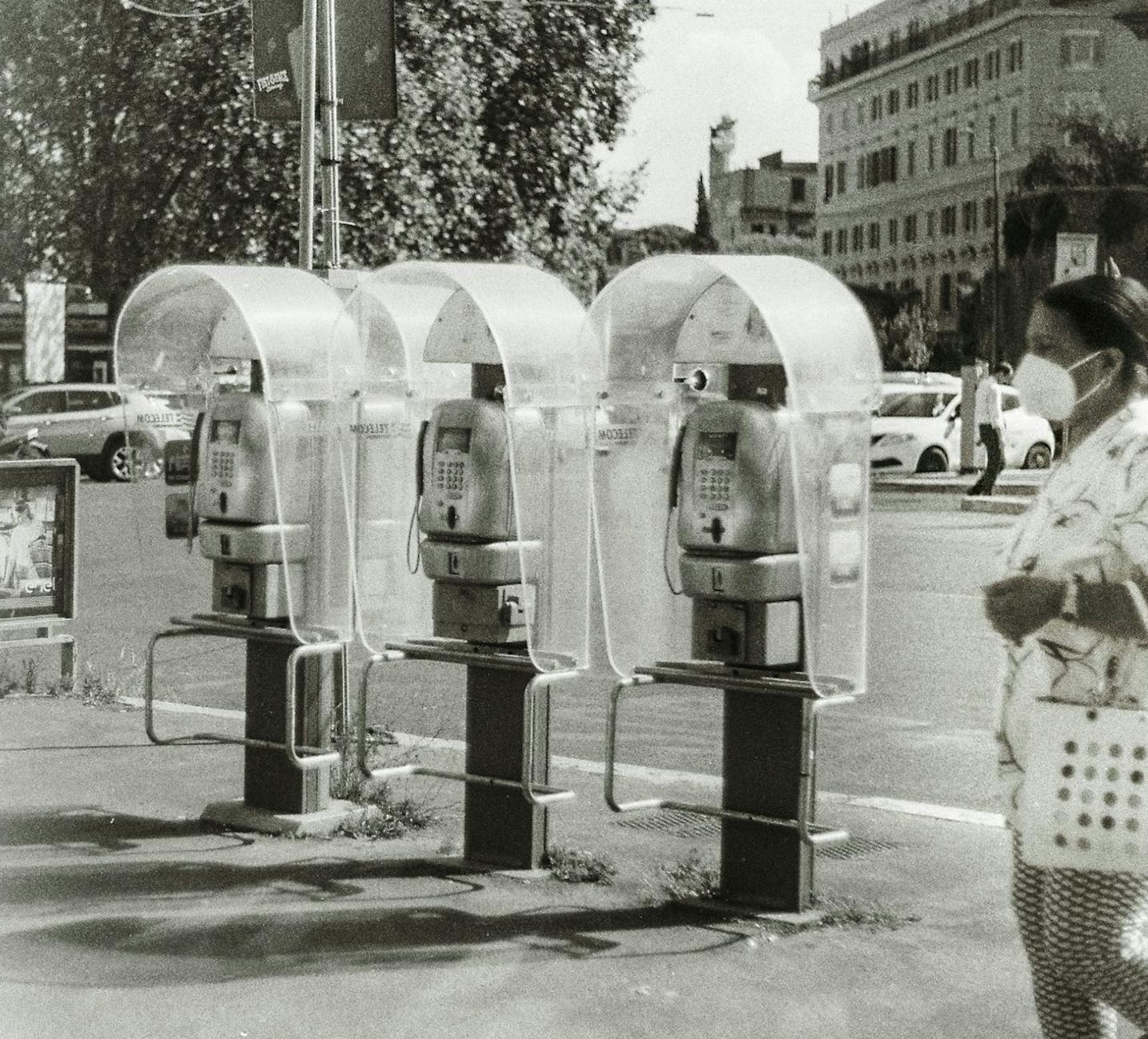
It's Sunday evening, sometime in the mid-1980s. You're a college student in Chicago, and you haven't spoken to your mom in two weeks. You pick up the dorm payphone, drop in some coins, dial the area code for home in Phoenix, and watch the seconds tick by. At peak rates, a long-distance call through AT&T's network could run $0.40 to $0.50 per minute — sometimes more, depending on the hour and the carrier. A 20-minute catch-up call cost eight to ten dollars. In today's money, that's roughly $25 to $30. For a Sunday phone call.
You kept it short. You had to.
Today, you video call your mom from your couch, see her face in high definition, share your screen to show her photos, and talk for two hours without a single thought about the cost. The bill is zero. The connection is global. The quality is better than any phone call that existed in 1985.
The compression of communication costs over the past four decades is one of the most staggering — and most overlooked — economic shifts in modern American life. It happened gradually, then suddenly, and most of us barely noticed.
When Calling Across the Country Was a Luxury
To understand how dramatic this shift is, you need to feel the weight of what long-distance calling used to mean.
Before the breakup of AT&T's Bell System monopoly in 1984, long-distance telephone service was tightly controlled and eye-wateringly expensive. A three-minute coast-to-coast call in 1970 — New York to Los Angeles — cost around $1.50 at off-peak rates. That's equivalent to roughly $12 today. During peak daytime hours, the same call could run double that.
Families developed rituals around the cost. You called on Sunday evenings because rates dropped after 11pm. You set a timer. You had a mental list of everything you needed to say before you dialed, because you weren't going to waste a dollar on dead air. Long-distance calls were events, not habits. They carried emotional weight partly because of what they cost.
And calling internationally? That was in a different category entirely. A call from Chicago to London in 1980 could run $3 to $5 per minute — roughly $11 to $18 in today's dollars. A 10-minute call to a relative abroad cost what some people earned in a day. International calling wasn't a regular part of most Americans' lives. It was something you did in emergencies, or when you absolutely had to.
Deregulation Cracks the Door Open
The 1984 breakup of AT&T — the forced divestiture that split the Bell System into regional carriers and opened the long-distance market to competition — is one of the most consequential regulatory decisions in American communication history. Within a few years, competitors like MCI and Sprint were undercutting AT&T's rates aggressively, and prices began falling.
By the late 1980s, long-distance rates had dropped to around $0.15 to $0.25 per minute for domestic calls. Still not nothing — a 20-minute call to mom now cost three to five dollars instead of ten — but the direction was clear. Competition was working.
Through the 1990s, prices kept falling. Flat-rate long-distance plans emerged. By the early 2000s, many home phone packages included unlimited domestic long-distance for a fixed monthly fee. The per-minute anxiety that had defined American phone culture for decades simply... evaporated. People stopped timing their calls.
The Mobile Era: New Freedoms, New Anxieties
And then came cell phones — which, for a while, introduced a whole new category of communication dread.
Early mobile plans in the 1990s charged per minute for all calls, local and long-distance alike. Minutes were precious. "Rollover minutes" were advertised as a feature. Families argued about who used too much of the shared plan. And if you traveled internationally with your phone — God help you.
International roaming charges in the early 2000s were predatory by any reasonable measure. Using your US cell phone in Europe could rack up charges of $1.50 to $3.00 per minute for calls, plus additional fees for texts and data. Travelers came home to four-figure phone bills. Horror stories circulated. People turned their phones off the moment they landed abroad, or bought local SIM cards just to avoid the carnage.
As recently as 2010, a week-long trip to Europe with moderate phone use could add $200 to $500 to your monthly bill without much effort. The phone companies knew it, and for a while, they didn't feel a lot of pressure to change it.
The Collapse
The shift from "communication as a metered commodity" to "communication as effectively free" happened in a compressed window between roughly 2010 and 2016, driven by a combination of smartphone adoption, app development, and competitive pressure.
Skype had been chipping away at international call costs since the mid-2000s, offering PC-to-PC calls for free and international calls for a few cents per minute. But the real transformation came when smartphones put FaceTime, WhatsApp, and eventually a dozen other apps in everyone's pocket. Suddenly, a video call to Tokyo or a voice call to London cost nothing beyond your existing data plan.
For domestic communication, the shift was equally absolute. Unlimited talk and text became the standard US mobile plan offering. The per-minute model collapsed almost entirely. Today, the average American pays a monthly flat rate for their phone plan and gives essentially zero thought to the cost of individual calls.
That Sunday evening ritual — the careful, clock-watching call home — is now a historical curiosity. You can call your mom for two hours, switch to video, send photos mid-conversation, and hang up having spent nothing beyond your monthly subscription fee.
What Comes Next?
If the trajectory of the past 40 years tells us anything, it's that communication costs move in one direction: down, and then effectively to zero.
Satellite internet services like Starlink are already extending high-quality connectivity to rural areas and international locations that previously had poor or no service. AI-powered real-time translation is beginning to remove language as a barrier to communication. Platforms are experimenting with spatial audio and immersive video that make remote conversation feel more physically present.
The next 40 years might see communication evolve from "free" to something more like "invisible" — a persistent ambient connection between people that requires no deliberate action to initiate.
Somewhere, a college student in the 1980s watched their coins disappear into a payphone and wondered if they could afford one more minute. Their grandchildren will never once in their lives think about the cost of talking to someone they love.
That's a change worth pausing to appreciate.