The Clock Delta Home

Category

Finance

18 articles

When the Bank Manager Knew Your Name: The Human Algorithm That Once Decided Your Financial Life

When the Bank Manager Knew Your Name: The Human Algorithm That Once Decided Your Financial Life

For much of the twentieth century, whether an American could borrow money depended largely on whether the local banker knew your family and believed your story — a system that was sometimes generous and sometimes deeply unjust. The rise of algorithmic credit scoring changed all of that, promising consistency and fairness. The reality, as usual, turned out to be more complicated than either side predicted.

The Folder in the Filing Cabinet: When Your Entire Health History Fit in One Manila Envelope

The Folder in the Filing Cabinet: When Your Entire Health History Fit in One Manila Envelope

For most of the 20th century, your complete medical record was a handwritten folder sitting in one doctor's office — personal, fragile, and entirely dependent on a single physician's memory and penmanship. Today, your health data flows through digital networks spanning dozens of providers, insurers, and systems. The shift from paper to pixels changed everything about how Americans relate to their own medical lives.

The Ghost in Your Shopping Cart: When Buying Meant Nobody Was Watching

The Ghost in Your Shopping Cart: When Buying Meant Nobody Was Watching

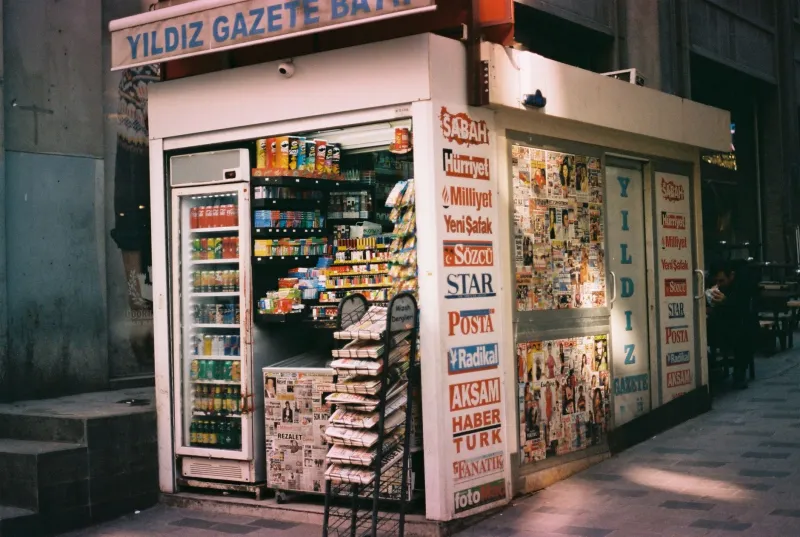
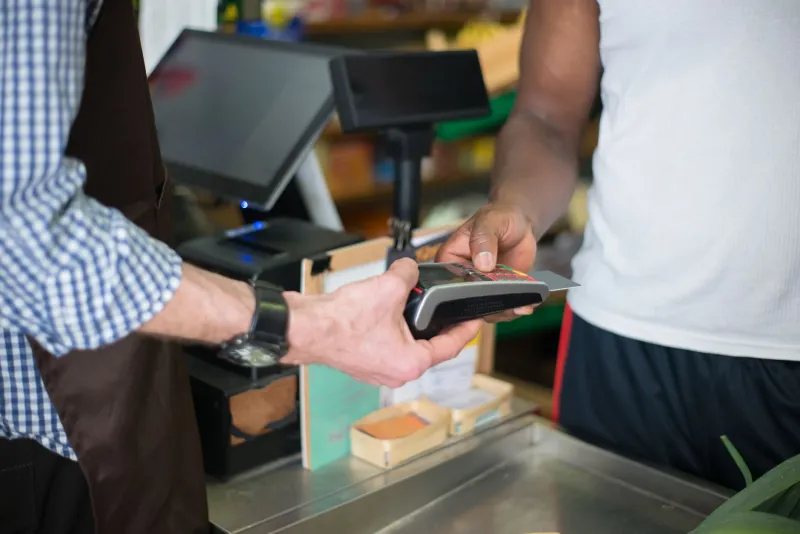
Three decades ago, Americans could walk into any store, buy whatever they wanted with cash, and leave without generating a single data point about their identity, preferences, or habits. Today, every purchase creates a digital fingerprint that follows you home, shapes what you see online, and builds a profile more detailed than most people keep about themselves.

The Gold Watch Promise: When Retirement Was a Date, Not a Gamble

The Gold Watch Promise: When Retirement Was a Date, Not a Gamble

Americans once retired on a predetermined date with a guaranteed pension, celebrating with gold watches and farewell parties. Today's workers face a floating retirement target tied to market performance, savings rates, and mounting anxiety about whether they'll ever be able to stop working.

Highway Dreams and Empty Wallets: When Gas Money Actually Bought Freedom

Highway Dreams and Empty Wallets: When Gas Money Actually Bought Freedom

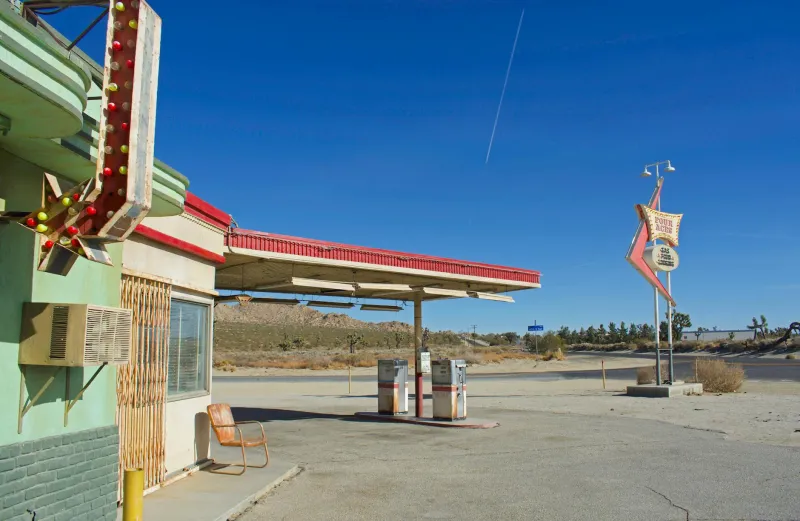
In 1965, an American making minimum wage could fill their car's tank with less than two hours of work and drive 400 miles into an endless country. Today, that same tank costs nearly eight hours of minimum-wage labor — and the open road doesn't feel quite so open anymore.

Shoebox Treasures: When Every Receipt Was a Lifeline

Shoebox Treasures: When Every Receipt Was a Lifeline

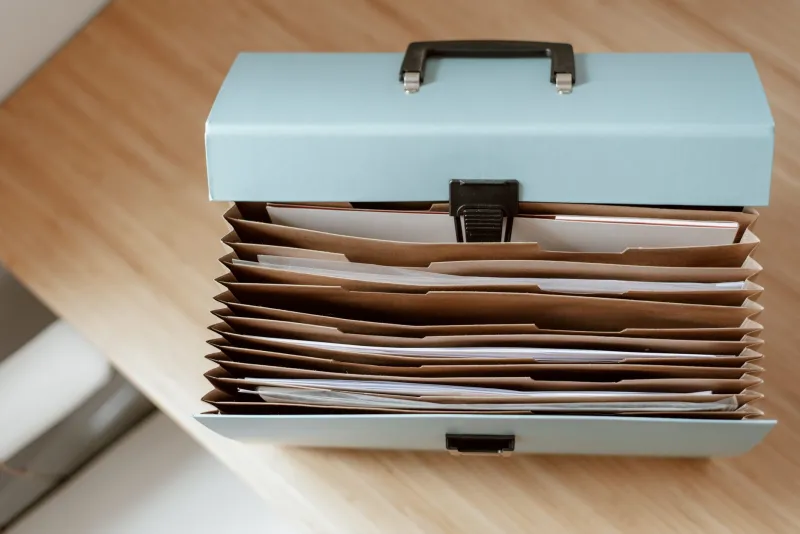
For decades, Americans lived surrounded by paper proof of their lives — insurance cards, bank passbooks, warranty receipts, and handwritten records that served as the only evidence important transactions ever happened. The shift to digital records has been so complete that we've forgotten how much our daily routines once revolved around keeping, filing, and protecting these physical documents.

The Full-Day Gamble: When Buying a Car Meant Flying Blind With Your Life Savings

The Full-Day Gamble: When Buying a Car Meant Flying Blind With Your Life Savings

Forty years ago, purchasing a car required an entire Saturday, nerves of steel, and faith in a handshake from a stranger who held all the pricing cards. With no internet, no transparency tools, and no way to verify if you were getting a fair deal, Americans navigated one of their largest financial decisions almost entirely in the dark.

When Buying Meant Saving: The Quiet Revolution of Consumer Debt

When Buying Meant Saving: The Quiet Revolution of Consumer Debt

In 1950, a credit card seemed absurd. Why would you borrow money for a meal? By 2024, carrying debt is so normal that paying in cash feels eccentric. The story of how Americans went from saving to buy to borrowing to own reveals everything about how our relationship with money transformed in a single generation.

The Desk Sandwich: How America's Midday Escape Became a Myth

The Desk Sandwich: How America's Midday Escape Became a Myth

In 1960, taking an hour for lunch meant actually leaving. You walked to a restaurant, sat down, ordered food, and came back. Today, that hour is 23 minutes—and half of it happens under a desk lamp. What changed, and what did we lose?

What a Buck Used to Mean — And Why It Doesn't Anymore

What a Buck Used to Mean — And Why It Doesn't Anymore

A dollar in 1950 could cover lunch for a week. Today it barely covers a cup of coffee. This is the story of how inflation quietly rewrote the rules of everyday American life — told through the prices of things you actually buy.

The Heart Attack That Medicine Learned to Survive

The Heart Attack That Medicine Learned to Survive

In 1955, a heart attack was a near-sentence. Doctors prescribed bed rest, crossed their fingers, and hoped. Today, a stent can be deployed in a blocked artery within an hour of symptoms starting. The gap between those two realities is one of the most remarkable — and underappreciated — stories in American medical history.

How Many Hours Did You Work This Week? Here's What That Buys Now Versus 1950.

How Many Hours Did You Work This Week? Here's What That Buys Now Versus 1950.

Raw salary numbers don't tell the whole story of American economic life. When you measure the cost of a car, a home, or a college degree in hours of labor instead of dollars, some surprising patterns emerge — including goods that got dramatically cheaper, and others that now demand a staggering amount more of your time.