When the Lights Went Out
The transformer exploded at 7:23 PM on a Tuesday in October 1987, plunging six city blocks into sudden darkness. Within minutes, porch lights began flickering on—not electric lights, but the warm glow of candles and kerosene lamps retrieved from closets and kitchen drawers. By 8 PM, neighbors who rarely spoke were gathered on stoops and sidewalks, sharing battery-powered radio updates and leftover casserole that needed eating before it spoiled.
Nobody panicked. Nobody called the mayor. The power company would fix whatever broke when they could fix it, probably by morning. In the meantime, Americans in 1987 knew how to wait in the dark.
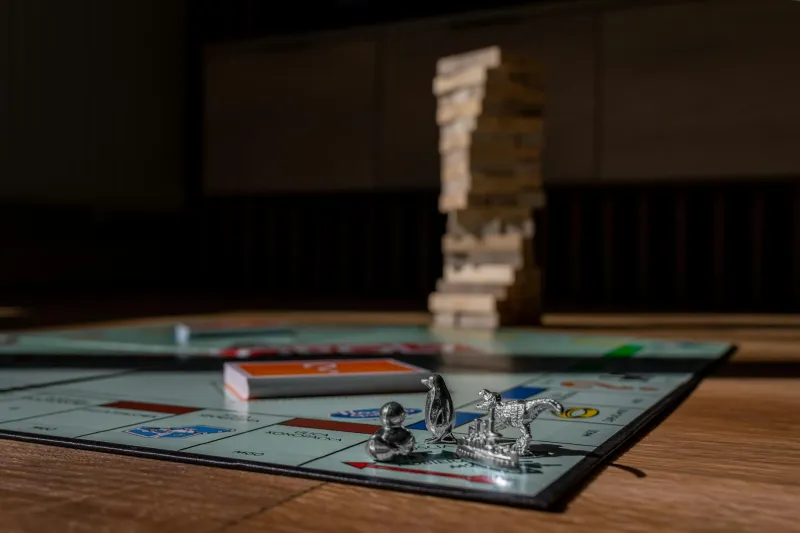
Children who had been glued to Nintendo screens discovered the ancient art of storytelling. Teenagers found excuses to sit closer together on porch swings. Adults broke out playing cards and board games that hadn't seen daylight in months. The blackout became a block party, complete with acoustic guitars and impromptu sing-alongs that lasted until the streetlights suddenly blazed back to life at 2:17 AM.
The Infrastructure of Independence
Mid-century American households maintained what amounted to a parallel civilization designed to function without electricity. Every basement contained the essentials: flashlights with working batteries, candles in various stages of use, matches in waterproof containers, and at least one battery-powered radio capable of picking up emergency broadcasts.
Kitchens were equipped for contingencies. Gas stoves could light with matches when electric ignition failed. Manual can openers lived in every drawer. Pantries stocked canned goods that required no refrigeration and could be eaten cold if necessary. Water came from municipal systems that didn't depend on individual electric pumps.
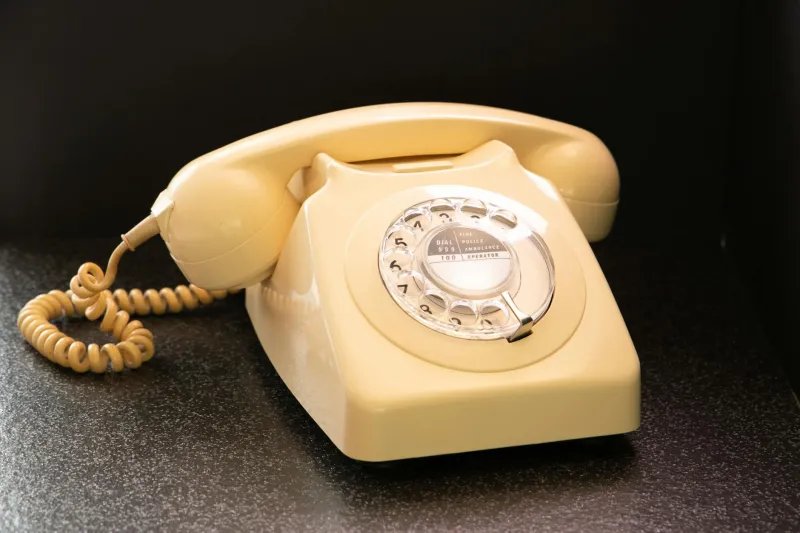
The telephone system operated independently of household electricity, drawing power through the lines themselves. When the lights went out, Americans could still communicate with the outside world through rotary phones that would continue working as long as the central switching stations maintained power.
Most importantly, entertainment didn't require electricity. Board games, playing cards, books, musical instruments, and conversation provided hours of engagement without consuming a single watt. Families who lost power didn't lose the ability to enjoy each other's company.
The Digital Dependency
Today's American household operates more like a life support system than a shelter. Lose electricity for four hours, and the cascading failures begin immediately. WiFi routers die, severing connections to work, entertainment, and communication. Smartphones burn through battery reserves trying to find cell towers that may themselves be running on backup power.
Refrigerators stop preserving food. Electric heat pumps stop heating homes. Garage doors refuse to open. Security systems lose contact with monitoring centers. Medical devices that regulate breathing, monitor heart rhythms, or deliver insulin begin switching to battery backup with limited lifespans.
Modern homes are climate-controlled environments that become unlivable surprisingly quickly without active systems. Central air conditioning, forced-air heating, and electric water heaters create comfort zones that collapse rapidly when the grid fails. Windows that haven't been opened in years suddenly won't budge. Fireplaces have been converted to gas units that require electric ignition and blowers.
Even basic communication becomes problematic. Landline phones, where they still exist, often depend on digital systems that require local power. Cell towers operate on battery backup for limited periods. Internet-based communication services disappear entirely when home routers lose power.
The Convenience Trap
The transformation happened gradually, through thousands of small decisions that individually made perfect sense. Why keep candles when electric lights are more reliable? Why maintain a manual can opener when the electric version works faster? Why learn to build fires when central heating maintains perfect temperature automatically?
Each improvement in electrical infrastructure made backup systems seem less necessary. Power outages became rarer and shorter as utility companies invested in better equipment and faster repair capabilities. The American electrical grid achieved remarkable reliability—99.97% uptime in most areas—making contingency planning feel like paranoid preparation for events that rarely occurred.
But reliability created complacency. Households that once maintained parallel systems gradually abandoned them. Candles became decorative rather than functional. Battery-powered radios disappeared from emergency kits. Manual tools were replaced by electric versions that worked better but only when the grid cooperated.
The modern American home became optimized for normal conditions while losing resilience for abnormal ones. Everything worked perfectly until nothing worked at all.
The Social Circuit
Power outages in the pre-digital era had an unexpected social benefit: they forced people into physical proximity without electronic distractions. Neighbors who communicated primarily through wave exchanges suddenly found themselves sharing resources and conversation. Children who rarely played together discovered common interests when video games weren't available.
The darkness created temporary communities based on mutual dependence and shared experience. Adults who barely knew each other's names became collaborators in managing minor crises. Someone always had extra flashlight batteries. Someone else had a gas grill for cooking food before it spoiled. The elderly shared stories while younger neighbors provided physical assistance.
These impromptu gatherings often continued long after power was restored, creating social connections that persisted beyond the emergency that sparked them. Blackouts became neighborhood bonding experiences that strengthened community ties and revealed hidden resources within walking distance.
Modern power outages produce different social dynamics. Instead of gathering in shared spaces, people retreat to individual battery-powered devices, consuming stored entertainment until the batteries die. Communication happens through text messages and social media posts rather than face-to-face conversation. The shared experience becomes isolated experience mediated through screens.
The New Fragility
American infrastructure has become simultaneously more robust and more brittle. The electrical grid rarely fails, but when it does, the consequences cascade through systems that previous generations kept separate. A transformer explosion that once meant reading by candlelight now means losing access to work, entertainment, communication, climate control, food preservation, and sometimes medical care.
The average American household now contains dozens of devices that require constant charging: smartphones, tablets, laptops, smartwatches, wireless headphones, e-readers, portable speakers, and various smart home controllers. When the power goes out, these devices become expensive paperweights within hours.
Even temporary outages reveal dependencies that weren't obvious during normal operation. Electric garage doors trap cars inside. Keyless entry systems lock residents out of their homes. Smart thermostats lose programming. Security cameras stop recording. Baby monitors go silent.
The irony is that while individual devices have become more energy-efficient, households consume more total electricity than ever before. The modern American home requires continuous power not just for basic functions like lighting and refrigeration, but for dozens of convenience systems that previous generations never imagined needing.
Preparing for the Dark
Some Americans are rediscovering the wisdom of redundant systems. Emergency preparedness has evolved from survivalist hobby to mainstream concern as extreme weather events stress electrical infrastructure. Hardware stores report increased sales of battery-powered radios, manual can openers, and non-electric camping equipment.
But preparation now requires more sophisticated planning than it did fifty years ago. Modern emergency kits include portable battery packs for charging phones, solar panels for extending power independence, and backup power stations capable of running essential medical devices. The simple flashlight has been joined by LED lanterns, hand-crank radios, and communication devices designed for grid-down scenarios.
The challenge is psychological as much as practical. Americans who grew up with reliable electricity often lack the mental frameworks for functioning without it. The skills that enabled previous generations to thrive during outages—cooking without electricity, entertaining without screens, communicating without internet—have atrophied through disuse.
The Cost of Illumination
Electrical power represents one of humanity's greatest achievements, extending productive hours, enabling medical miracles, and connecting global communities in real time. Modern Americans enjoy conveniences that would seem magical to previous generations: instant communication across continents, climate-controlled environments, and access to humanity's accumulated knowledge through pocket-sized devices.
But every system optimization creates new vulnerabilities. In gaining the ability to live comfortably in any climate, we lost the ability to adapt to environmental changes. In connecting everything to the electrical grid, we created single points of failure that can disable entire households. In making electricity so reliable that we forget it might fail, we abandoned the redundant systems that once provided security during outages.
The next time your power goes out, notice what happens in your neighborhood. Do people emerge from their homes to check on each other, or do they retreat indoors to wait for restoration? Do children discover new games, or do they stare at dead screens? Do adults engage in conversation, or do they monitor battery levels on their phones?
The answers reveal how far we've traveled from the era when Americans could lose electricity without losing their ability to connect with each other. In the space between the last candle and the first LED, we gained incredible technological power but lost something equally valuable: the confidence that we could thrive in the dark.